Large areas, shared HVAC and occupied floors raise the stakes, so planning matters more than speed. A written plan, clear containment and a defined finish point keep surprises down. Call the number on this page to be connected with a local mold company in Boulder.

When a smell is the only clue
A musty odor in a break room or retail back stock room with nothing visible suggests moisture inside a wall, ceiling cavity or HVAC component. Do not rely on air fresheners or ozone gadgets, which mask the smell without finding the water. A local company can look for the source, check the ceiling and wall cavities near it, and tell you whether sampling would help in a building like yours.
Winter freeze events
A cold snap can split a supply line in an unheated storage room, a ceiling void or an exterior wall. When the line thaws, it can run for hours overnight. The resulting damp drywall and insulation are a common starting point for growth in otherwise dry buildings.
Foothills and mountain properties such as lodges, shops and short-term rentals face snowmelt, ice dams and long vacancies where small leaks can run unnoticed for weeks.
Materials and access
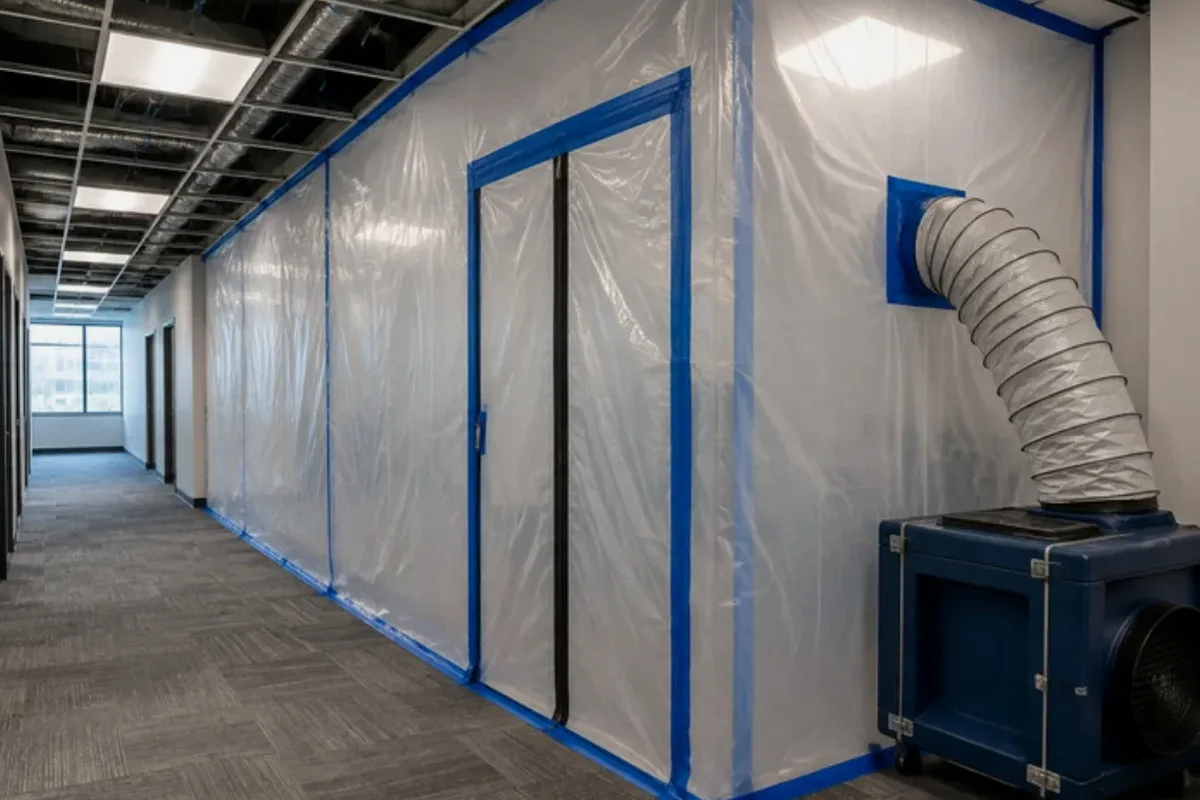
Drop ceiling tile comes out easily, while plaster, fireproofed assemblies, concrete block and wet insulation take more time. Lifts, scaffolding, restricted hours and security protocols also add to labor, and so does a long haul from the loading area. Photos and a floor plan help companies give a closer estimate before the site visit.
Useful local contacts for Boulder
There is no Colorado mold license to look up. Cities run their own contractor licensing (Denver, for example, issues its own and doesn't accept other jurisdictions' licenses), so ask which one applies to your address.
Remediation itself is cleanup, but putting the room back together can be permitted work; ask the contractor whether the Boulder Planning & Development Services needs to be involved.
For tenants, the Boulder Code Compliance Division is the office that handles rental housing complaints here; state law treats mold tied to dampness as a habitability problem once the landlord has written notice.
Calls from Boulder are often matched with companies that also cover Eldorado Springs, Louisville and Lafayette.
Finish and handoff
When removal and drying are done, expect a visual check, HEPA vacuuming and wipe-down of the work area. An independent assessor can then verify the result if the owner wants it. Keep the scope, photos and any clearance paperwork in the building file, and note which tenants were told and when.
HVAC upkeep
Replace filters on schedule, keep condensate drains open and have mechanical contractors check coils and pans. Swamp coolers need seasonal startup and a drained, dried shutdown. A system that cycles badly can leave rooms clammy even when the outdoor air is dry. That detail saves a second site visit and lets the quote reflect what is actually there.
Around Boulder
Calls come in from across Boulder, including around US 36, Pearl Street Mall, Flatirons.
Boulder Creek, its 14 tributaries and Boulder Slough run through the city, and the city describes Boulder as having the highest flash flood risk in Colorado.
Commercial Mold Remediation questions in Boulder
Can we stay open during mold work?
Can mold spread through the HVAC system?
How do we handle tenant concerns?
Can a small area be handled in-house?
More mold services in Boulder
Commercial Mold Remediation nearby
Helpful guides
Sources
- City of Boulder
- City of Boulder Planning & Development Services Code Compliance Division: housing complaints
- Colorado Legal Services: Warranty of Habitability
- EPA: A Brief Guide to Mold, Moisture and Your Home
- CDC: About Mold and Your Health
- Denver Community Planning and Development: Contractor Licensing
- Boulder: local background
Last updated: