In Boulder, mold usually follows water: creek-side groundwater, a heavy storm, a leaking pipe or a roof problem. Call the number on this page to be connected with a local mold company that can look at the property.
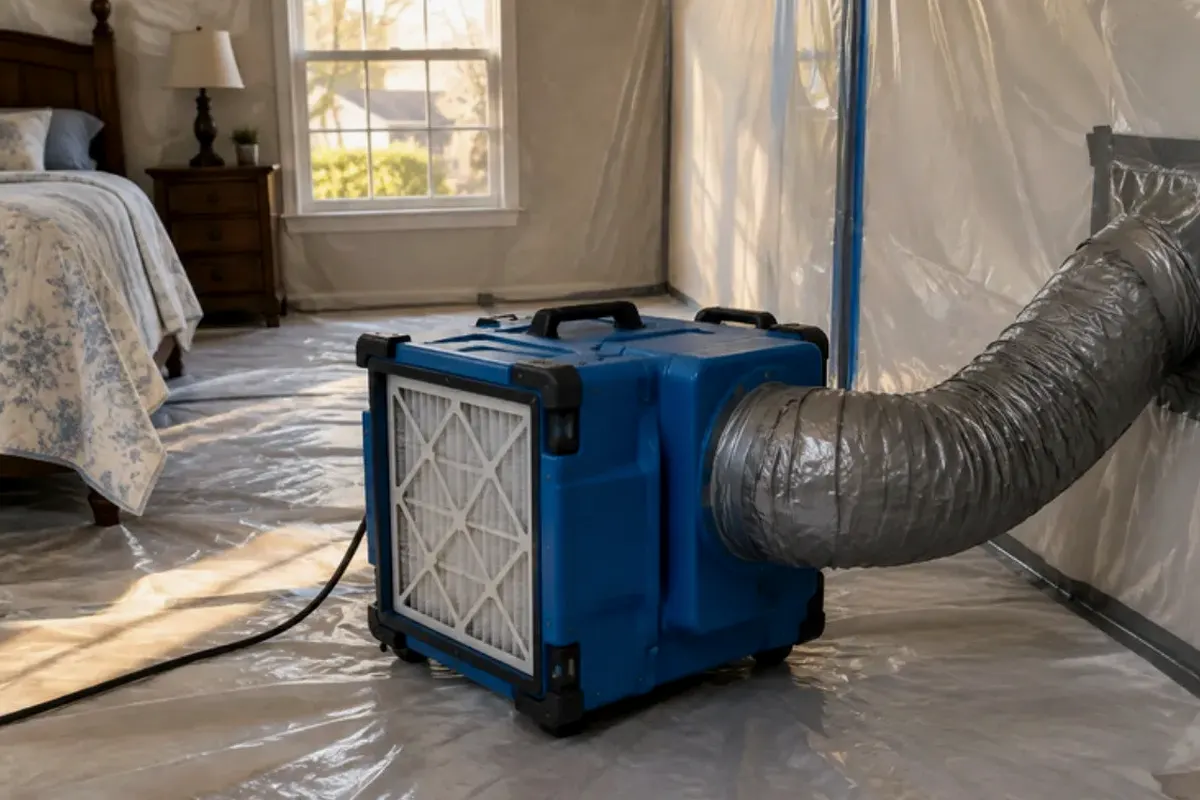
Mold services in Boulder
Creeks, slopes and flash floods
Boulder is the Boulder County seat, home to the University of Colorado flagship campus and set against the Flatirons with the Pearl Street Mall downtown. It is also a city of waterways. Boulder Creek, its 14 tributaries and Boulder Slough run through town, and the city describes Boulder as having the highest flash flood risk in Colorado. For a homeowner, that means basements and crawl spaces near drainages deserve attention, and wet materials should be dried fast. The city offers an online floodplain information map where you can check an address, and it notes that flood insurance can take about 30 days to take effect.
Houses, condos and student rentals
Around the University Hill area and along Broadway and 28th Street, plenty of buildings are rented, often to students on short leases. Shared walls, older bathrooms and shuttered windows in winter are common spots for hidden moisture. Further out, houses in the hills and near Chautauqua, the Boulder Reservoir and US 36 may have crawl spaces, retaining walls and drainage that need a look. Try mold inspection in Boulder if you cannot find where the smell comes from, or leak and burst pipe mold removal in Boulder after a plumbing failure.
Tenants and the city's code office
Colorado's warranty of habitability can make a rental uninhabitable when mold is associated with dampness. Start with written notice to the landlord; Colorado Legal Services says action must begin within 24 hours for urgent problems and 96 hours for less urgent ones. The Planning & Development Services Code Compliance Division takes reports about rental licensing violations and building safety concerns that include plumbing and interior sanitation. Its page does not mention mold, so call and ask whether your situation falls under it.
Permits and hiring
Building permits and inspections run through Boulder's Planning & Development Services. If remediation leads to structural or plumbing repairs, ask the company who handles the permit. Colorado has no state mold license, and contractor licensing is local, so ask whether the company holds the local contractor license where the work is done. Different cities set their own rules.
Cost and what to expect
A Denver cost guide from Angi lists mold remediation at about $1,109 to $3,112 per project, and crawl space mold at $500 to $2,600. National figures from HomeGuide put a home mold inspection at $300 to $650. Boulder prices can differ, and each quote depends on the area affected.
Before you call, find the water source and dry what you can. EPA advises keeping indoor humidity below 60 percent, ideally between 30 and 50 percent. If you have health concerns, talk with your doctor. Companies serving nearby addresses may also cover Louisville and Lafayette.
Common questions in Boulder
Is Boulder more prone to mold because of flooding?
Who takes rental complaints in Boulder?
Does Boulder require a mold license?
How much does a mold inspection cost?
Nearby cities and towns
Sources
- City of Boulder building permits and inspections
- City of Boulder code concerns
- City of Boulder guide to flooding
- Boulder, Colorado (Wikipedia)
- HomeGuide: mold inspection cost
- Colorado warranty of habitability, C.R.S. 38-12-505
- Colorado Legal Services: warranty of habitability
- Restoration firm puts together a round-up of state requirements
- How Much Does Mold Remediation Cost in Denver, CO? | Angi
- EPA: A Brief Guide to Mold, Moisture and Your Home
Last updated: