Mold testing collects air or surface samples and sends them to a lab to identify what is present and in what amount. EPA says sampling is usually unnecessary when mold is visible, and that no federal limits exist for mold spores. Call the number on this page to be connected with a local mold company in Denver.
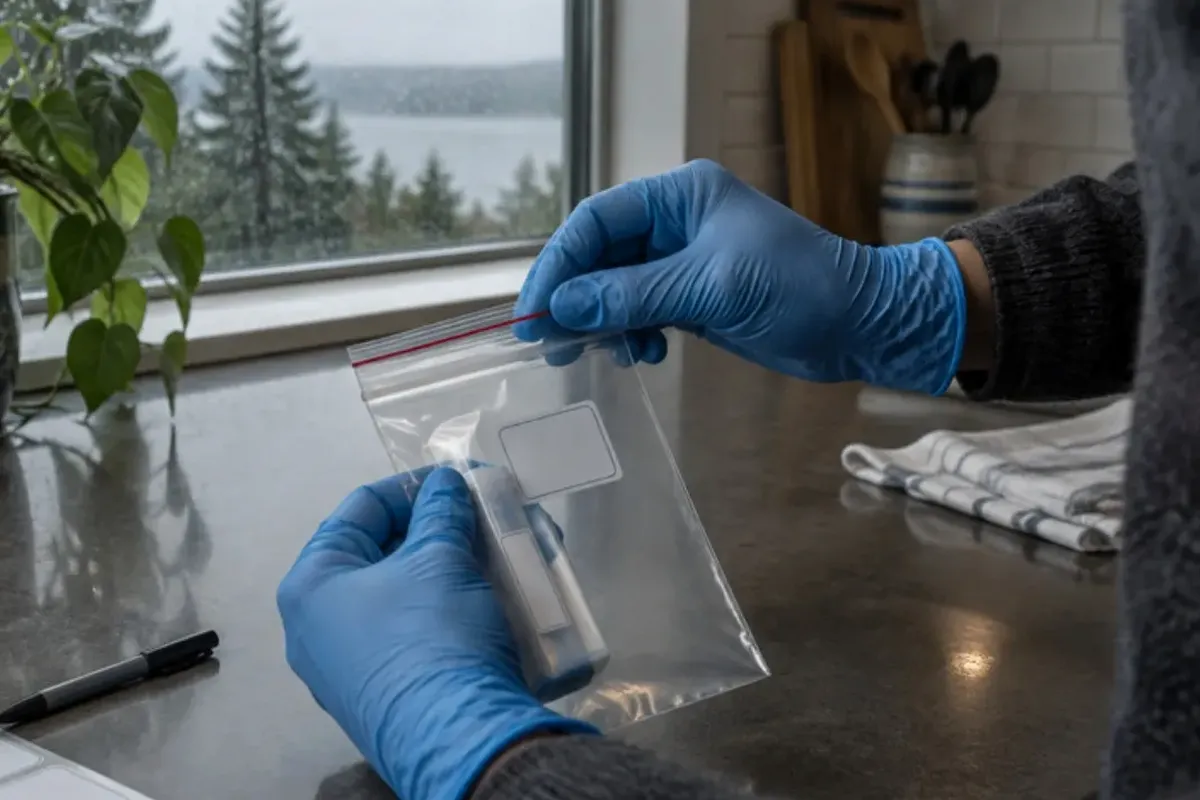
What testing is
Testing means taking samples, then having a lab report on them. Air samples capture spores floating in a room. Surface samples, such as swabs or tape lifts, check a specific spot. Some companies also take an outdoor sample for comparison. A result is a snapshot of one place at one moment, which is why a thorough mold inspection usually comes first.
When testing is worth it
EPA states that in most cases, if visible mold growth is present, sampling is unnecessary, and that no EPA or other federal limits have been set for mold or mold spores. So testing does not tell you whether a level is safe or unsafe. It can help when you smell mold but cannot find it, when a dispute with a landlord, seller or insurer needs documentation, or when you want a baseline before and after cleanup. After cleanup, the same sampling is used for clearance testing.
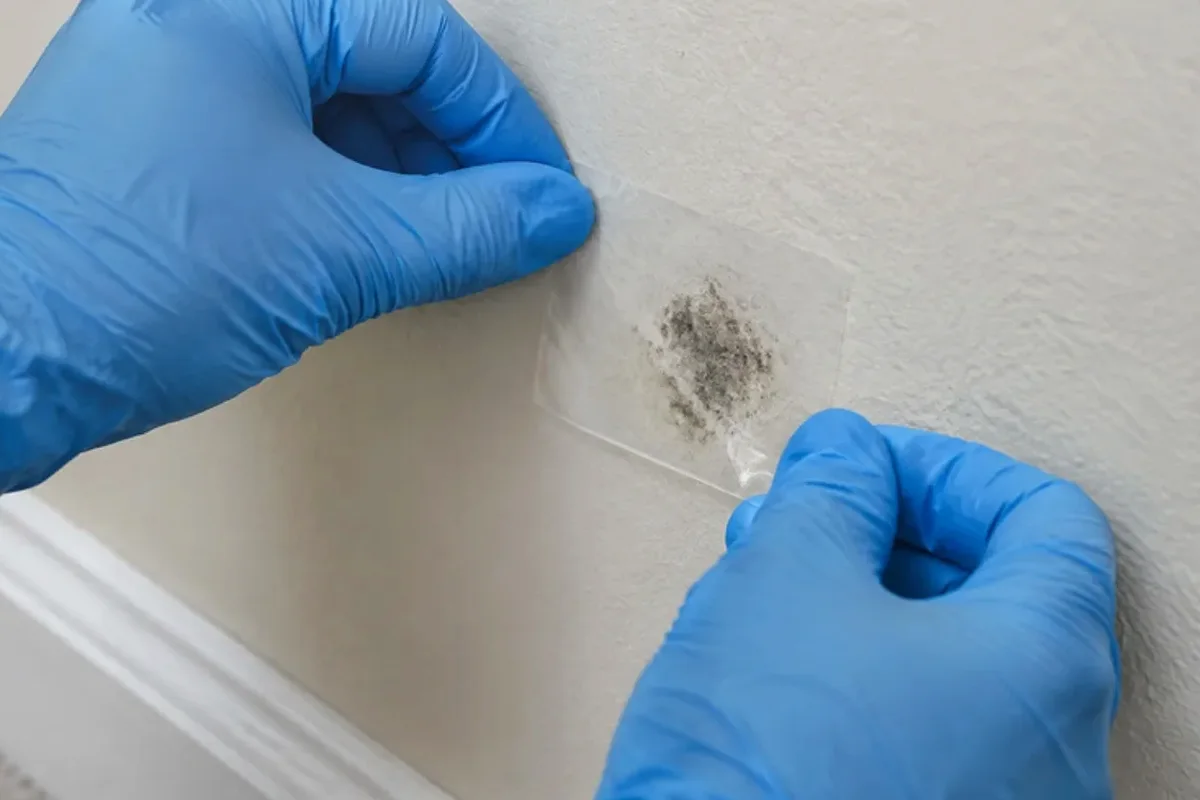
How it works in a Denver home
The company samples where the problem seems to be, often a basement, a room that had a leak, or the area around a furnace or evaporative cooler. Denver homes with finished basements, window wells and older forced-air ductwork can hide damp spots, and results can shift with open windows and recent activity. Ask the company how it controls for that. Lab results typically take a few days, and the report should list what was found and where.
What it costs
National figures (HomeGuide) put mold air sampling at about $100 to $300 per test. A Denver cost guide (Angi) lists a typical home mold inspection at roughly $300 to $1,075, which is a separate service. Multiple samples add up quickly, so ask how many are recommended and why.
Hiring check
Colorado has no state mold license, so ask about training, lab accreditation and sampling methods instead of looking for a state credential. Contractor licensing is local, and Denver issues its own, so ask whether the company holds the local contractor license where it applies. Be cautious if a company that tests also profits heavily from the cleanup it recommends, and get a second opinion on large scopes.
Renters and health
Colorado's warranty of habitability covers mold associated with dampness, and written notice to the landlord starts the clock. In Denver, the Denver Department of Public Health & Environment takes residential housing complaints. The CDC says the health effects of mold differ from person to person. If you have health concerns, talk with your doctor.
Mold Testing questions from Denver homeowners
Is mold testing necessary?
How much does mold testing cost?
Can a test tell me if my home is safe?
Can I use a home test kit instead?
Related mold services in Denver
Helpful guides
Mold Testing in nearby cities and towns
Arapahoe County
Jefferson County
Adams County
Douglas County
Boulder County
Broomfield County
Weld County
Gilpin County
Clear Creek County
Sources
- How much does a mold inspection cost?
- How Much Does Mold Remediation Cost in Denver, CO? | Angi
- A Brief Guide to Mold, Moisture and Your Home (EPA)
- About Mold and Your Health (CDC)
- Restoration firm puts together a round-up of state requirements (R&R Magazine)
- Contractor Licensing (Denver Community Planning and Development)
Last updated: