After a burst pipe or leak in Denver, mold can start in wet drywall, insulation and flooring if they are not dried quickly. Removal means drying the structure, taking out what stayed wet and cleaning the rest. Call the number on this page to be connected with a local mold company in Denver.
How water turns into mold
Mold needs moisture and something to feed on, and drywall paper, wood framing and carpet pad qualify. EPA's guidance on moisture stresses fixing leaks and drying wet materials quickly. In Denver, the usual triggers are pipes that freeze and split during a cold snap, a water heater or washer hose that fails, a roof leak after heavy snow or ice, and a slow drip inside a wall that goes unnoticed for weeks. Denver's climate is dry, so wet materials can look fine on the surface while moisture stays trapped inside a wall.
What the cleanup includes
- Stop the water at its source and shut off the supply if needed.
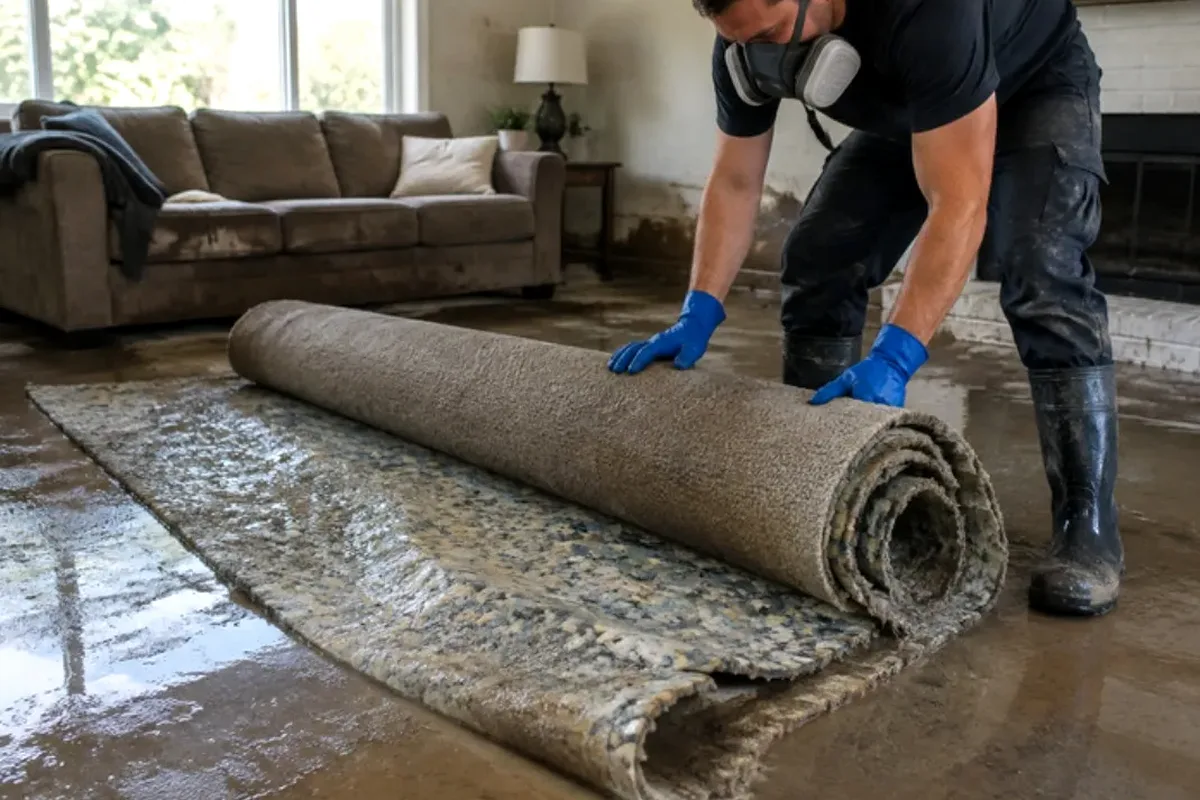
- Remove standing water and pull wet carpet, pad and baseboards.
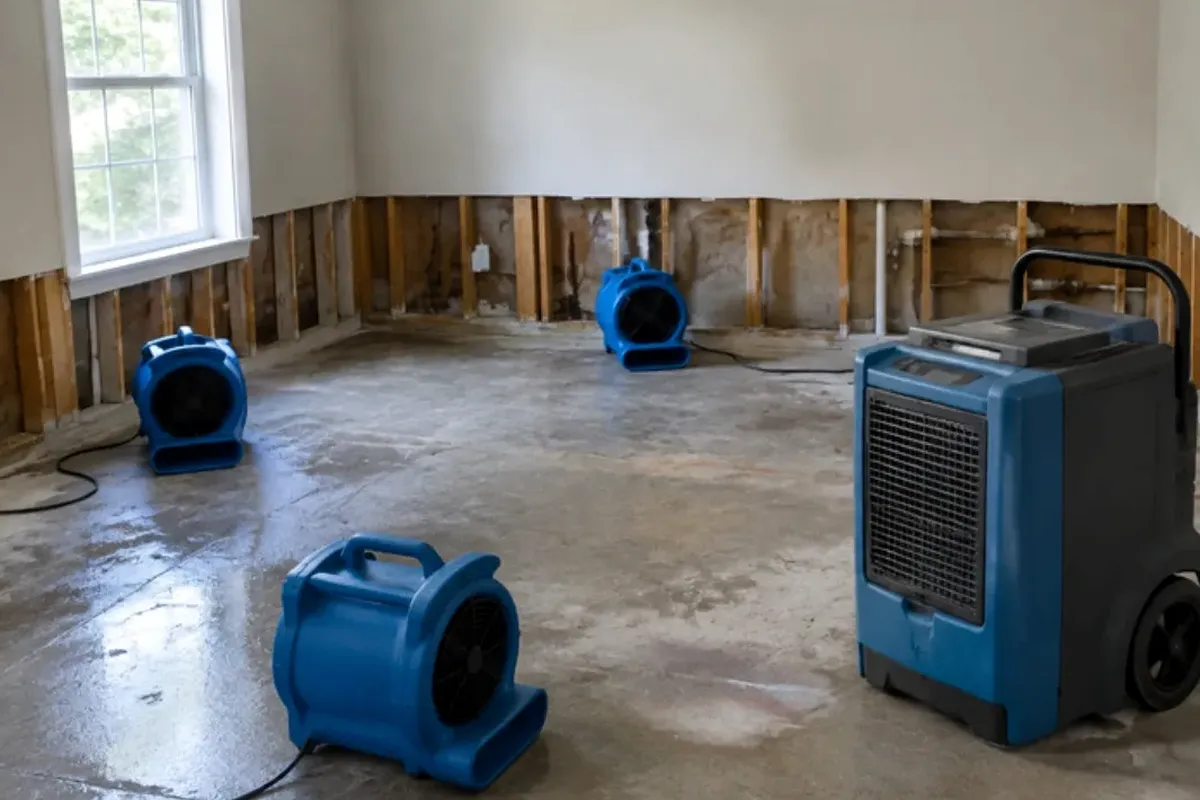
- Dry the structure with fans and dehumidifiers, checking moisture inside walls.
- Cut out drywall or insulation that stayed wet or already shows growth.
- Clean surfaces, then rebuild once everything is dry.
Some companies handle only drying, others handle mold remediation too, so ask which parts of the job a company covers.
What it costs in Denver
A Denver cost guide from Angi lists overall mold remediation at $1,109 to $3,112 per project, and $10 to $25 per square foot. Opening walls is where totals grow: the same guide shows mold in walls at $1,000 to $20,000 per project, and drywall repair after removal at $1,000 to $2,900. Water-damage drying is priced separately by each company, and none of these figures are quotes.
Hiring check
Colorado has no state mold license, so check the credentials that do exist locally. Denver issues its own contractor licenses and does not reciprocate licenses from other counties or states. Denver Community Planning and Development also issues building permits for larger rebuilds. Ask for a written scope that separates drying, mold removal and repairs.
Renters and landlords
If a leak in a rental has left dampness or mold, Colorado's warranty of habitability can apply to mold associated with dampness. Give the landlord written notice. Colorado Legal Services says the landlord must start acting within 24 hours for urgent problems and within 96 hours for less urgent ones. In Denver, the Department of Public Health & Environment takes residential housing complaints. Keep photos and copies of your notice.
If you have health concerns after water damage, talk with your doctor.
Burst Pipe & Leak Mold Removal questions from Denver homeowners
How fast does mold start after a leak?
Does a burst pipe in winter need a mold company?
What does cleanup cost in Denver?
I rent and the leak is the landlord's pipe. What now?
Related mold services in Denver
Helpful guides
Burst Pipe & Leak Mold Removal in nearby cities and towns
Arapahoe County
Jefferson County
Adams County
Douglas County
Boulder County
Broomfield County
Weld County
Gilpin County
Clear Creek County
Sources
- How Much Does Mold Remediation Cost in Denver, CO? | Angi
- A Brief Guide to Mold, Moisture and Your Home (EPA)
- Warranty of Habitability, Colorado Legal Services
- C.R.S. 38-12-505, warranty of habitability (Justia)
- Healthy Families, Healthy Homes, Denver Public Health Investigations
- Contractor Licensing, Denver Community Planning and Development
Last updated: