Basement mold removal in Denver means cleaning or removing affected materials and, more importantly, stopping whatever is letting moisture in. A Denver cost guide lists $500 to $3,500 per project. Call the number on this page to be connected with a local mold company in Denver.
Why Denver basements grow mold
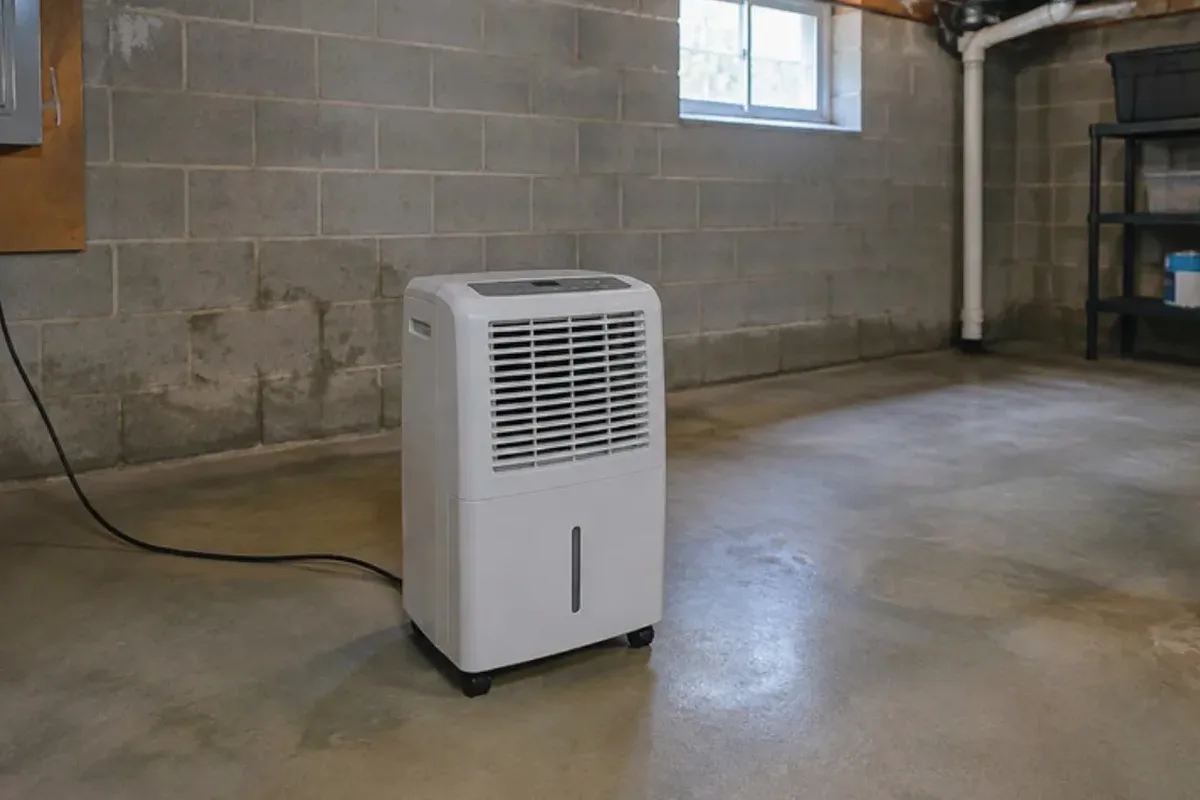
Outdoor air along the Front Range is dry, so a moldy basement is almost always about water, not weather. Typical sources include window wells that fill during snowmelt and summer thunderstorms, foundation seepage in the expansive clay soils common around Denver, a failed sump pump, a water heater or washer hose that leaked, and a sewer backup. Finished basements add drywall, carpet pad and framing that can hold moisture for a long time. EPA advises keeping indoor humidity below 60 percent, ideally between 30 and 50 percent, and a basement is where that number most often slips.
What removal involves
A local mold company starts by finding where the water comes from, because cleaning without fixing that is a short-term result. Crews then seal the work area, filter the air, and remove drywall, insulation or carpet that cannot be cleaned. Framing and concrete are typically cleaned and dried. Dehumidifiers and fans run until materials are dry. Some owners then order clearance testing before rebuilding.
What it costs in Denver
A Denver cost guide from Angi lists basement mold remediation at about $500 to $3,500 per project. For bigger jobs, HomeBlue's Denver figures run $5,200 to $10,300 for a 500 square foot area. Rebuilding is separate: the same Angi guide puts drywall repair after mold removal at $1,000 to $2,900. These are published ranges, not quotes.
Before you call
- Note where the smell or growth is strongest and when it started.
- Check window wells, the sump pump and any plumbing you can see for dampness.
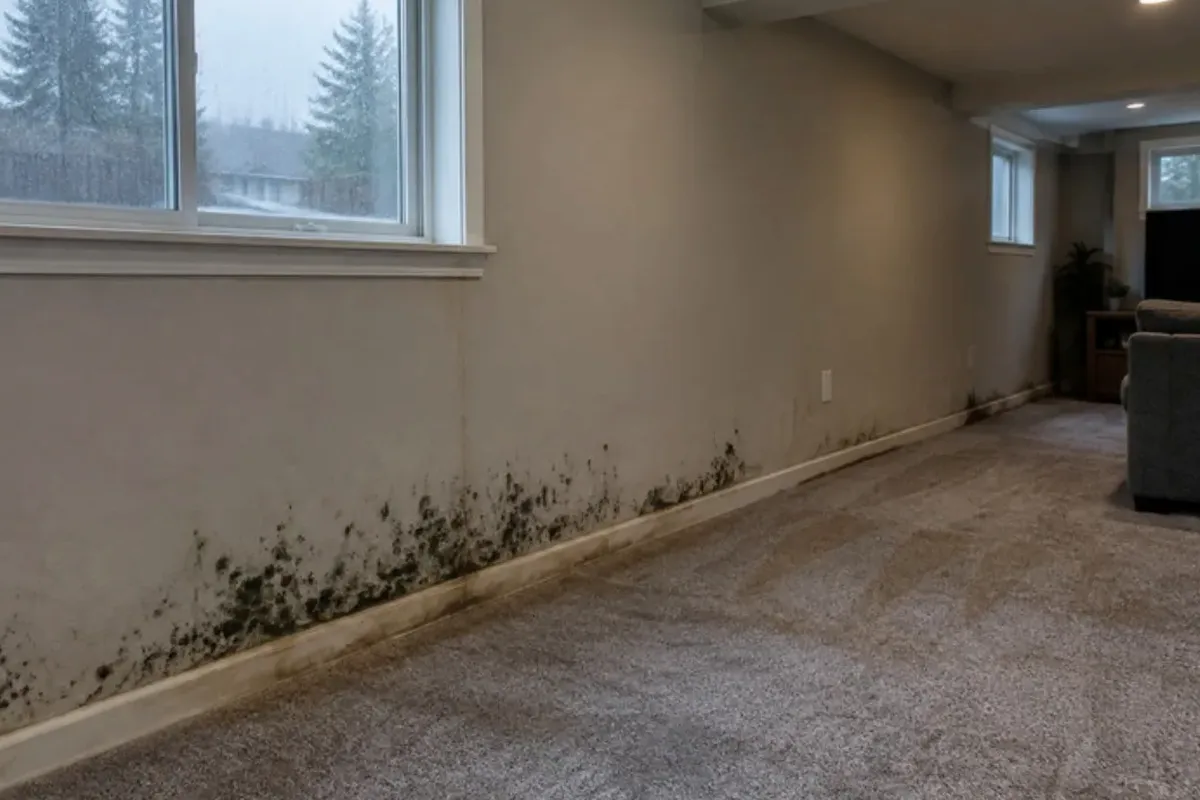
- Photograph stained drywall, carpet edges and baseboards.
- Run a dehumidifier if you can, and keep stored boxes off the floor.
Hiring check
Colorado has no state mold license, so a company cannot be looked up in a state mold registry. Contractor licensing is local. Denver issues its own contractor licenses and does not accept those from other counties or states. Ask what the company holds for work in your city, request a written scope, and ask how it will address the moisture source. Denver Community Planning and Development issues building permits, which can matter if walls are opened and rebuilt.
Renting a basement unit
Colorado's warranty of habitability can cover mold associated with dampness. Send your landlord written notice; Colorado Legal Services says action must start within 24 hours for urgent problems and 96 hours for less urgent ones. Denver renters can contact the Department of Public Health & Environment about housing complaints.
Basement Mold Removal questions from Denver homeowners
What causes mold in a Denver basement?
How much does basement mold removal cost in Denver?
Can a dehumidifier solve it?
Should I test before calling?
Related mold services in Denver
Helpful guides
Basement Mold Removal in nearby cities and towns
Arapahoe County
Jefferson County
Adams County
Douglas County
Boulder County
Broomfield County
Weld County
Gilpin County
Clear Creek County
Sources
- How Much Does Mold Remediation Cost in Denver, CO? | Angi
- Mold Remediation Cost in Denver, Colorado
- A Brief Guide to Mold, Moisture and Your Home (EPA)
- Restoration firm puts together a round-up of state requirements
- Contractor Licensing, Denver Community Planning and Development
- Warranty of Habitability, Colorado Legal Services
Last updated: