EPA says sampling is usually unnecessary when mold is visible, and there are no federal limits for mold spores, so results need careful interpretation. Call the number on this page to be connected with a local mold company in Boulder.
When you can skip it
If you can already see growth, EPA says sampling is usually unnecessary. The fix is the same either way: stop the water, clean or remove the material. Money spent on a lab report can go toward the repair, which is the part that makes the problem go away.
Basements and sump areas
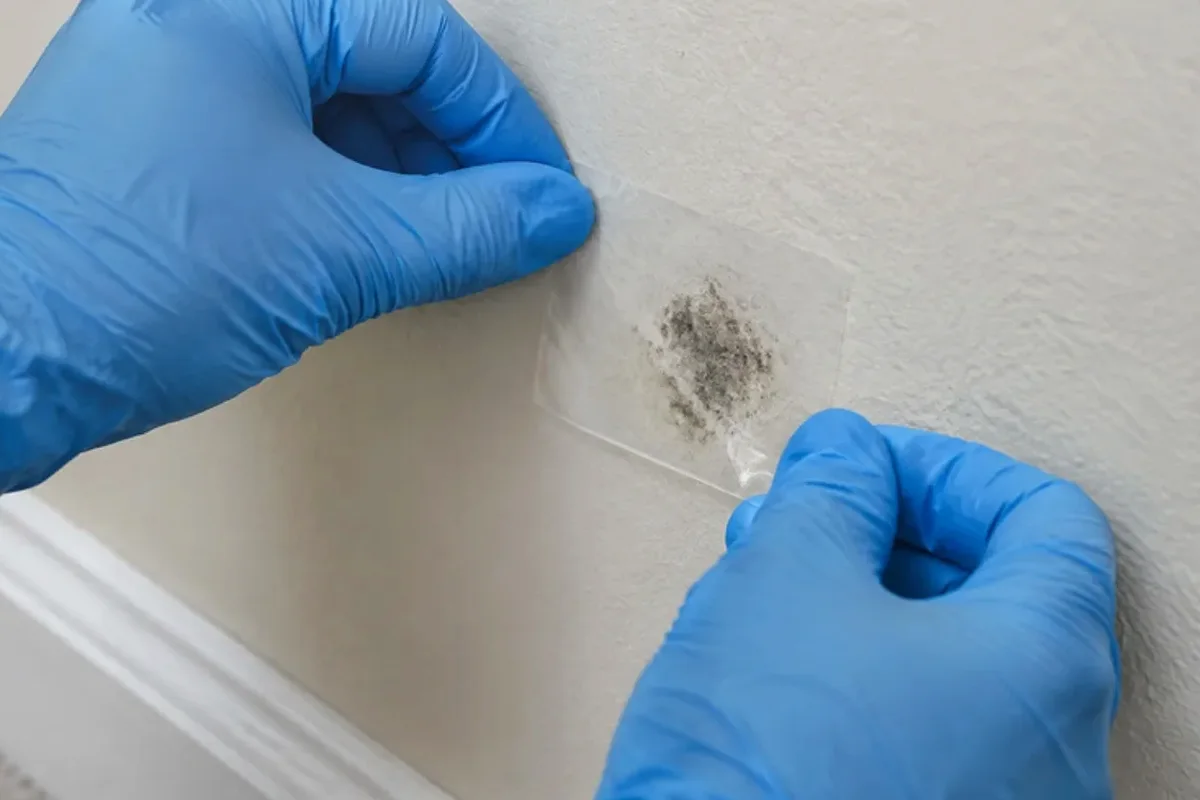
Lower levels are the most common place to sample, since seepage through foundation walls and window wells keeps materials damp. A tape lift from a baseboard or a bulk piece of drywall can show what is growing on a surface, while an air sample shows what is circulating nearby.
Mountain houses with wells, crawl spaces and uphill walls can carry damp that air samples alone miss, so a surface sample and a moisture check often go with them.
Separating testing from cleanup
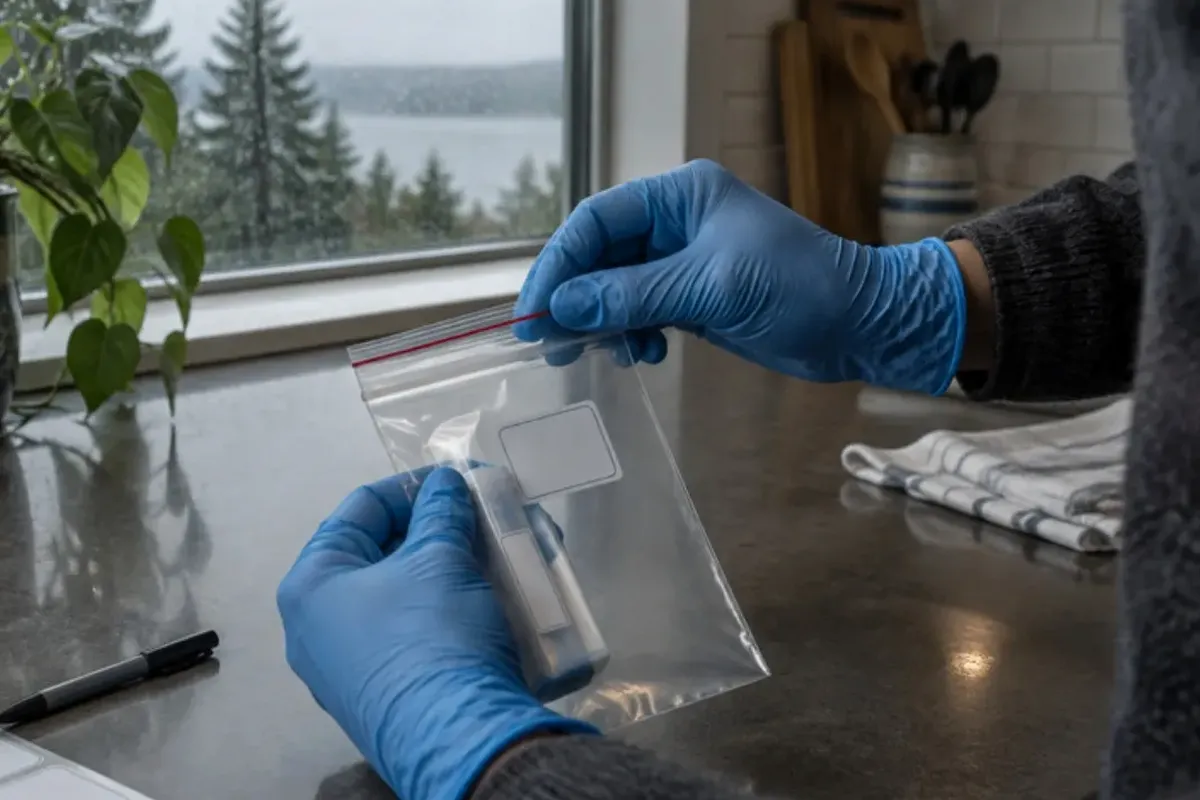
A company that tests and then sells the cleanup has an incentive to find a problem. Many owners prefer an independent sampler who writes results without bidding on the work. The cost guide linked below explains how remediation is priced once a result says cleanup is warranted.
Local details for Boulder
There is no Colorado mold license to look up. Cities run their own contractor licensing (Denver, for example, issues its own and doesn't accept other jurisdictions' licenses), so ask which one applies to your address.
If the job grows into replacing drywall, cabinets or framing, ask whether the rebuild needs a permit from the Boulder Planning & Development Services.
Renting? Colorado's warranty of habitability lists mold associated with dampness among conditions that can make a home uninhabitable, and the Boulder Code Compliance Division takes rental housing complaints for Boulder addresses.
Nearby, the same kind of help is available in Eldorado Springs, Louisville and Lafayette.
What happens next
If results and observations point to a problem, the next step is fixing the water source and arranging cleanup or removal. If they do not, keep the report with your records and watch the area. Either way, the sampler should help you decide on a sensible next step and put it in writing.
Winter and summer habits
Before the cold arrives, insulate exposed pipes and clear gutters. In warmer months, service the swamp cooler and check the furnace humidifier. These seasonal chores keep humidity and leaks down, which makes later testing, if ever needed, straightforward and less likely to show a problem.
More about Boulder
Calls come in from across Boulder, including around US 36, Pearl Street Mall, Flatirons.
Boulder Creek, its 14 tributaries and Boulder Slough run through the city, and the city describes Boulder as having the highest flash flood risk in Colorado.
Mold Testing questions in Boulder
How long do lab results take?
Can I use a home test kit?
What should I do before the sampler arrives?
Do foothills homes need different testing?
More mold services in Boulder
Mold Testing nearby
Helpful guides
Sources
- City of Boulder
- City of Boulder Planning & Development Services Code Compliance Division: housing complaints
- Colorado Legal Services: Warranty of Habitability
- EPA: A Brief Guide to Mold, Moisture and Your Home
- CDC: About Mold and Your Health
- Denver Community Planning and Development: Contractor Licensing
- Boulder: local background
Last updated: