A musty basement in a dry climate means moisture is getting in somewhere; finished rooms hide it behind carpet and drywall, and companies use moisture readings to find it. Call the number on this page to be connected with a local mold company in Firestone.
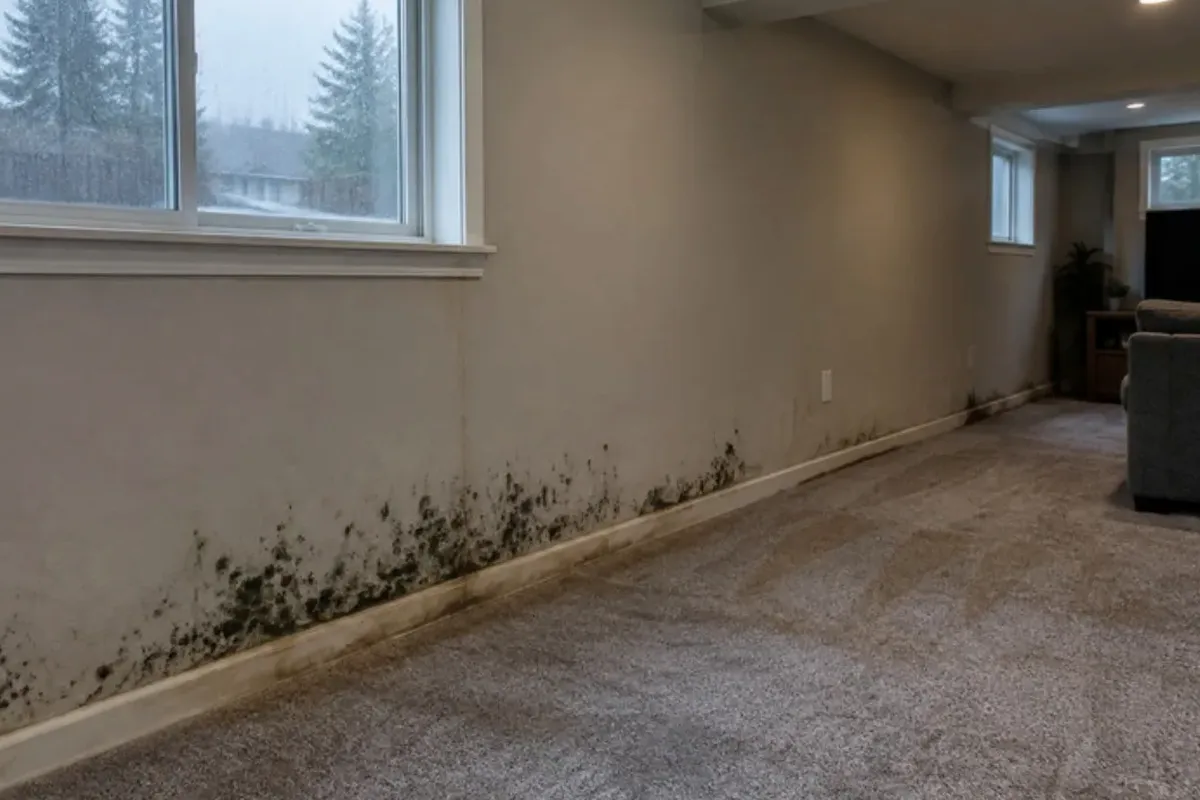
What Homeowners Notice First
- A stale smell after rain or snowmelt
- Dark spots on the bottom of drywall
- Stored cardboard boxes that feel soft
- Baseboards that swell or lift
- Furnace-room floors that stay damp
Any one of these deserves a moisture check, and two together almost certainly mean water is getting in somewhere.
Expansive Clay and Foundation Cracks
Clay soils swell when wet and shrink when dry, and that movement can open cracks at the slab, in poured walls or at the cold joint. Water then enters during heavy moisture. Hairline cracks may only weep, but wet carpet along a wall is a common result, and it often goes unnoticed.
On the eastern plains near Firestone, irrigation water, wind-driven snow and newer subdivisions built on disturbed soil can send moisture toward basement walls, and service visits may take longer to arrange.
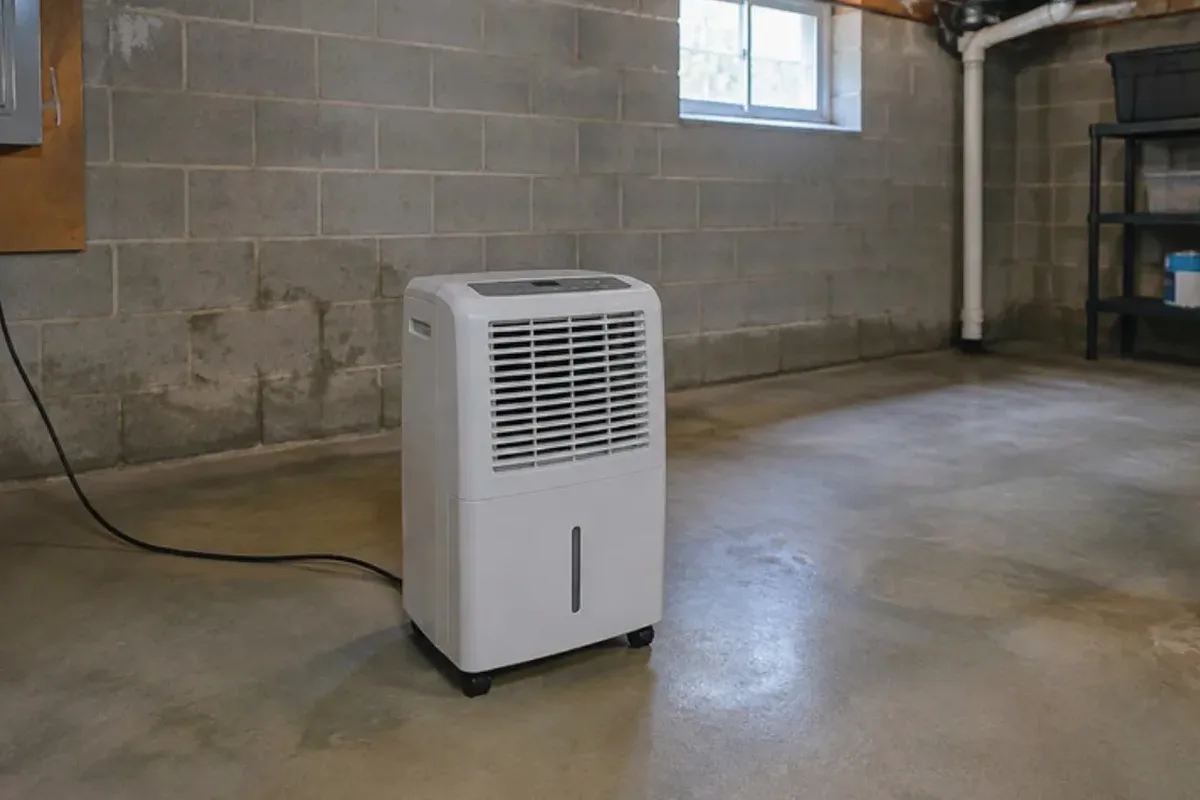
Drying Equipment and Time
Fans, dehumidifiers and air movers running for several days add to the quote. Concrete and framing hold water longer than people expect, and drying until readings match dry areas is what prevents a repeat. A shorter dry time is not always the better deal, so ask what moisture readings end the job.
Containment and Air Control
Basements often share air with the rest of the house through stairs and ducts. Crews generally seal the work zone with plastic, cover supply registers and run filtered air machines so spores stay in the basement. Ask how the furnace and the return air will be handled during the work, and whether the system will be shut off.
Keep Stored Items Off the Floor
Plastic bins on shelves rise above small leaks and make problems visible sooner than boxes on the floor. Cardboard on bare concrete wicks water and feeds mold quickly. Leave a few inches between stored goods and the wall so air moves and you can see any dark spots.
Useful local contacts for Firestone
There is no Colorado mold license to look up. Cities run their own contractor licensing (Denver, for example, issues its own and doesn't accept other jurisdictions' licenses), so ask which one applies to your address.
Remediation itself is cleanup, but putting the room back together can be permitted work; ask the contractor whether the Town of Firestone Planning and Development Department needs to be involved.
If you rent, give the landlord written notice of the leak or mold. Colorado's habitability law covers mold tied to dampness, and Colorado Legal Services explains the response times.
Calls from Firestone are often matched with companies that also cover Longmont, Frederick and Dacono.
Basement Mold Removal questions in Firestone
Why does my basement smell musty if Colorado is so dry?
What should I do after my sump pump fails?
Is mold after a sewer backup handled differently?
Do I need a permit to rebuild my finished basement?
More mold services in Firestone
Basement Mold Removal nearby
Helpful guides
Sources
Last updated: