EPA says a homeowner can usually clean an area under about 10 square feet, but basement growth often extends behind finishes, so a company's moisture check is worth it. Call the number on this page to be connected with a local mold company in Englewood.
Unfinished Basements Tell You More
Bare walls and floors let you read the evidence plainly. Look for efflorescence, the white crust left when water passes through concrete, rust stains on the water heater base, dark patches on stored furniture and wood framing. Those marks show where water has been entering, and how often.
Cold Concrete and Condensation
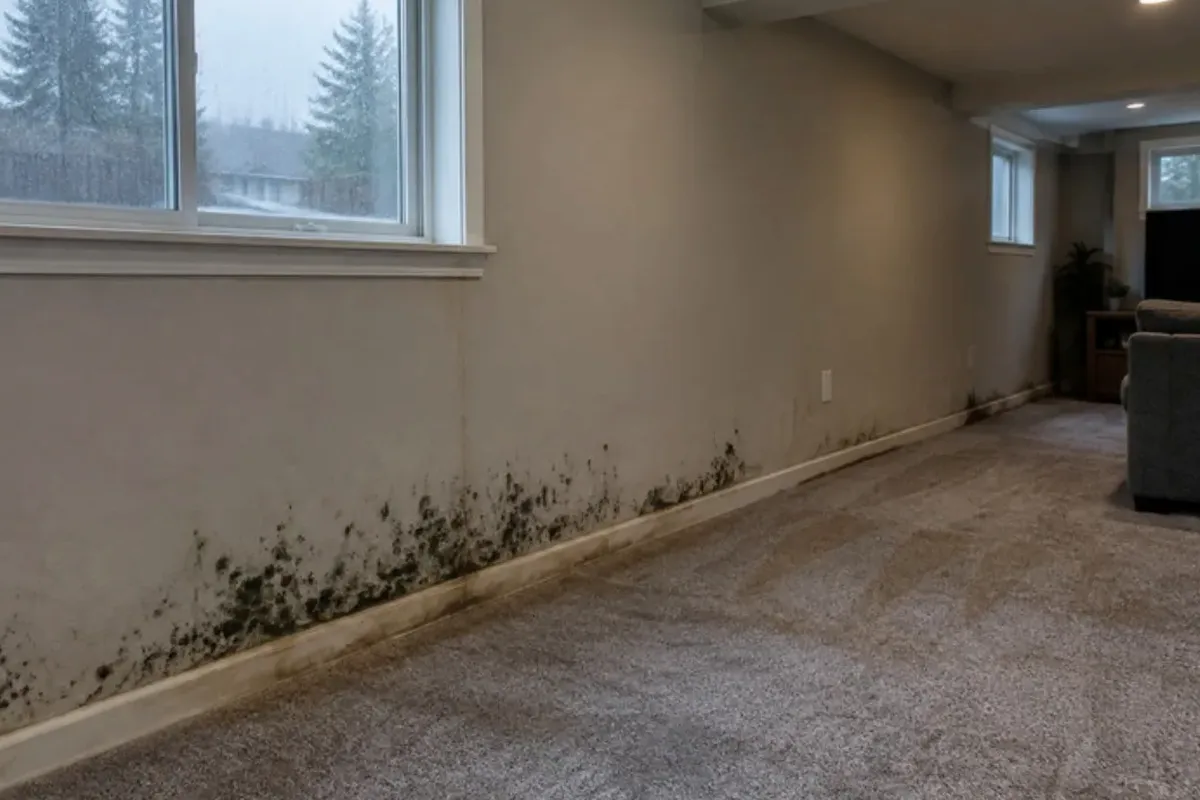
In warm months, humid air that finds its way down meets cool concrete and drops its moisture on the surface. Below-grade walls stay cold, and finished walls with no air gap behind them hold that moisture, so dark growth appears on the lower wall first, often behind furniture or a couch.
Much of the housing in Englewood dates to the 1960s. Older foundations, aging drain tile and original plumbing mean basement seepage and slow leaks are common, so moisture checks pay off.
Drying Equipment and Time
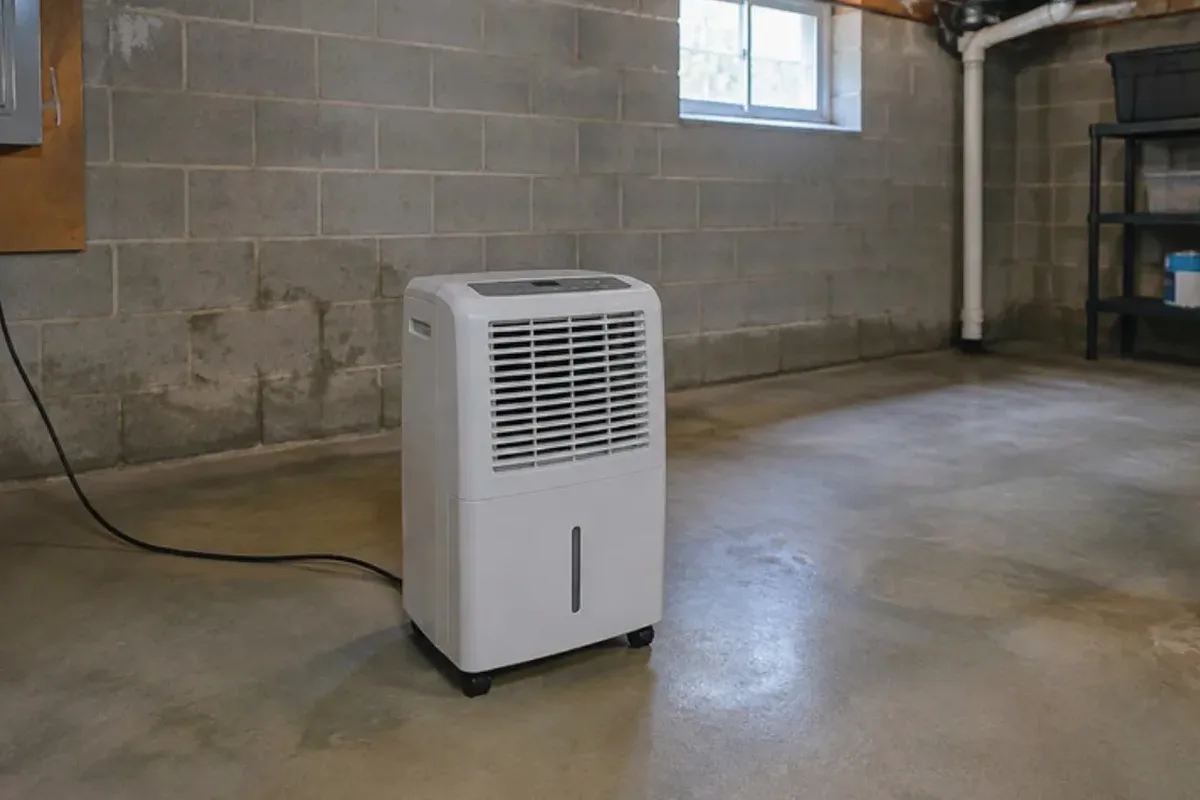
Fans, dehumidifiers and air movers running for several days add to the quote. Concrete and framing hold water longer than people expect, and drying until readings match dry areas is what prevents a repeat. A shorter dry time is not always the better deal, so ask what moisture readings end the job.
What Comes Out, What Stays
Hard surfaces such as concrete, metal, glass and sealed wood can often be cleaned. Carpet pad, insulation, paper-faced drywall and particleboard that stayed wet generally cannot. A company should list which finishes come out and explain each decision in plain terms.
Do Not Cover It Up
Carpet squares, paneling and fresh paint over a damp wall trap moisture and hide growth for a season or two. Sealing masonry paint can also peel when water pushes from behind. Fix the entry point and dry the wall completely before any finish goes back on, or the same patch returns.
Useful local contacts for Englewood
The state doesn't regulate mold remediation as a separate trade. Contractor licensing comes from the city or county, so a company working across the metro may hold several local licenses.
Rebuild work after the mold comes out, such as new drywall or framing, may need a permit; the Englewood Building Division is the office for Englewood addresses.
Tenants should report mold to the landlord in writing first; Colorado law treats mold associated with dampness as a habitability issue, with set response times after notice.
Calls from Englewood are often matched with companies that also cover Littleton, Lone Tree and Louviers.
Around Englewood
Calls come in from across Englewood, including around South Broadway, Hampden Avenue (US 285), CityCenter Englewood.
Expansive clay soils are common along the Front Range, and cracked basement floor slabs are one of the usual signs of swelling ground.
Basement Mold Removal questions in Englewood
What is the white powder on my basement wall?
What should I do after my sump pump fails?
How do I choose a company when Colorado has no state mold license?
Does a finished basement make mold worse?
More mold services in Englewood
Basement Mold Removal nearby
Helpful guides
Sources
Last updated: