Basement mold on the Front Range almost always traces to water entering through a window well, a foundation crack, a sump failure or a leak, so the fix is stopping that water, removing wet porous material and drying the space. Call the number on this page to be connected with a local mold company in Central City.
What Homeowners Notice First
- A stale smell after rain or snowmelt
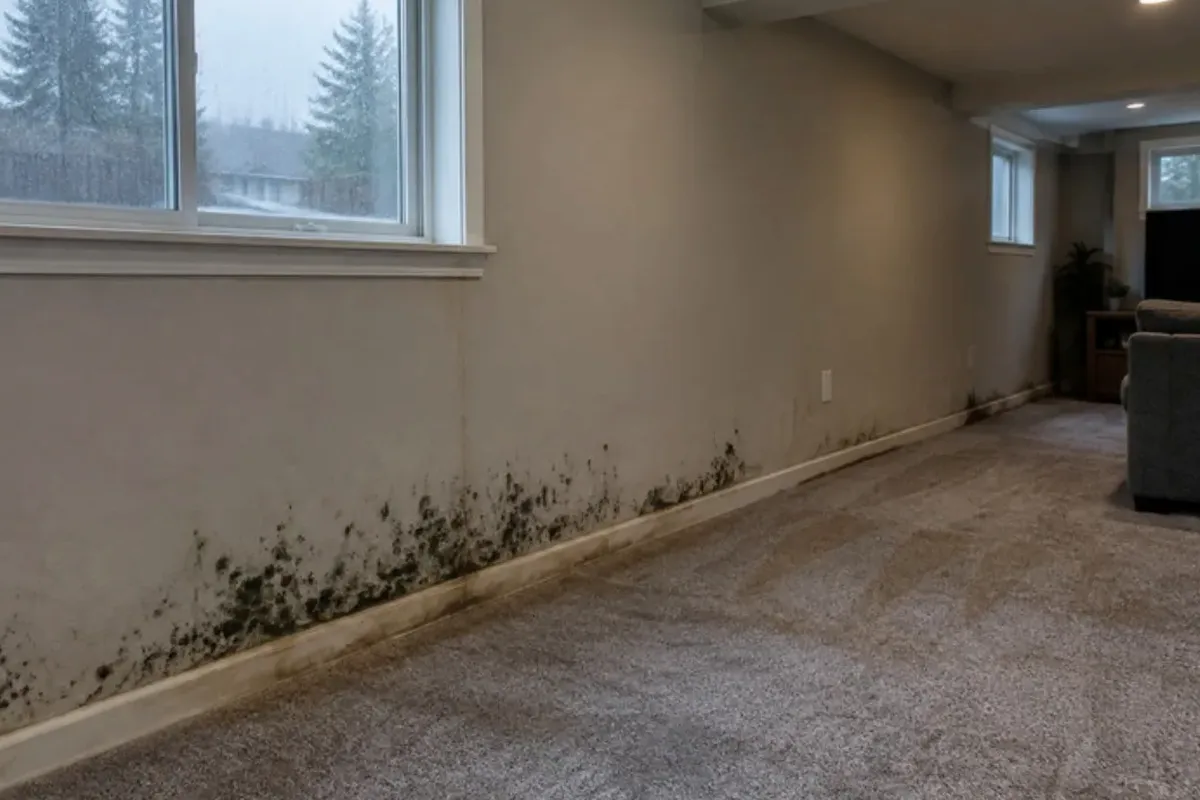
- Dark spots on the bottom of drywall
- Stored cardboard boxes that feel soft
- Baseboards that swell or lift
- Furnace-room floors that stay damp
Any one of these deserves a moisture check, and two together almost certainly mean water is getting in somewhere.
Why Dry Climate Basements Still Get Mold
The Front Range has low outdoor humidity, so a damp basement is nearly always a water problem, not an air problem. Snowmelt, summer cloudbursts, irrigation overspray and plumbing failures each send water toward a foundation that was never fully watertight.
In foothills and mountain homes near Central City, snowmelt running down slopes toward foundations and stone or block basements can bring seepage, and cabins closed up for weeks hold damp air.
Rebuild Is Often Separate
Many removal quotes end with a clean, dry cavity. New drywall, paint, flooring, trim and cabinets then come as their own project. Ask who does that, and whether any permit is involved, so the total picture is clear before work begins and no surprise arrives afterward.
Before work starts in Central City
Since there's no state mold license in Colorado, compare companies on their written scope, how they set up containment and whether they hold the local contractor license your jurisdiction asks for.
The Central City building official handles building permits here, so that's the place to check before walls, cabinets or flooring go back in.
If you rent, give the landlord written notice of the leak or mold. Colorado's habitability law covers mold tied to dampness, and Colorado Legal Services explains the response times.
Companies that take calls here usually also work in Arvada, Black Hawk and Idaho Springs.
Dehumidification Afterward
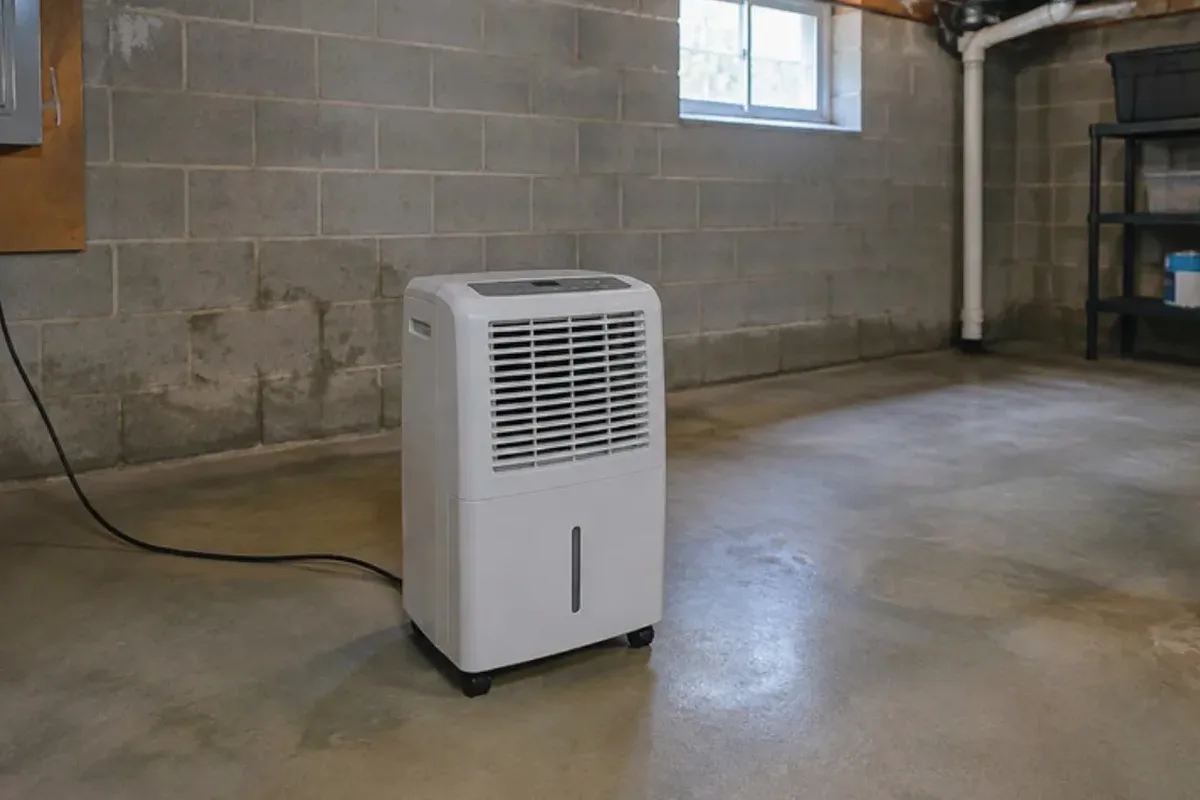
Once the work is done, many homeowners keep a dehumidifier running in the damp months. EPA suggests indoor humidity below about 60 percent, ideally 30 to 50. A hygrometer on a shelf shows whether the basement stays in range through spring melt, summer storms and winter heating.
Do Not Cover It Up
Carpet squares, paneling and fresh paint over a damp wall trap moisture and hide growth for a season or two. Sealing masonry paint can also peel when water pushes from behind. Fix the entry point and dry the wall completely before any finish goes back on, or the same patch returns.
Basement Mold Removal questions in Central City
How long does basement mold removal take in Central City?
Should I test the basement air for mold?
Do I need a permit to rebuild my finished basement?
How do I choose a company when Colorado has no state mold license?
More mold services in Central City
Basement Mold Removal nearby
Helpful guides
Sources
Last updated: