In a dry Front Range climate, a failed clearance usually points to leftover moisture or a missed pocket of damp material, such as the back of a wall or a basement corner. Call the number on this page to be connected with a local mold company in Aurora.
Why a second opinion helps
The company that removed the mold has an interest in saying the job is done. A separate assessor with no rebuild to sell can compare the space against the scope and report what they see. Owners, lenders, landlords and buyers often value that independence. Independence is the point, and it is easy to ask about.
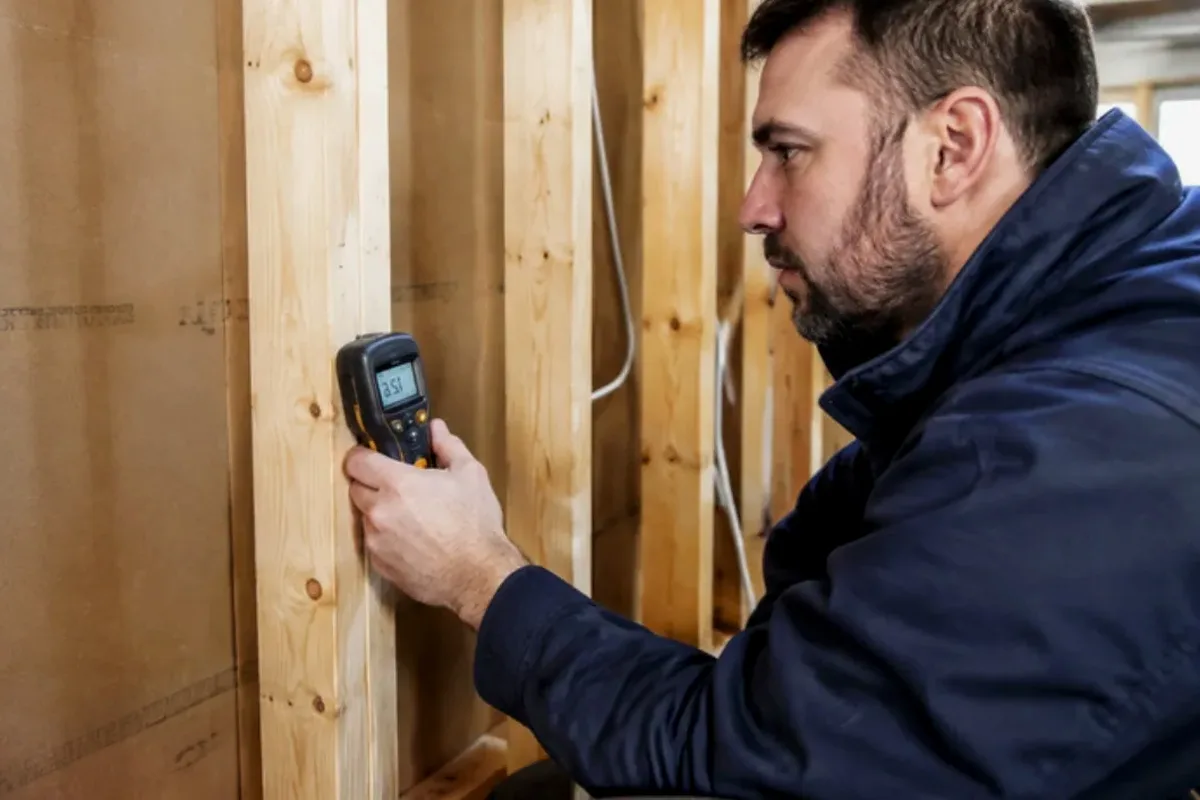
The visual walk-through
The assessor looks for remaining visible growth, staining, dust, debris and any sign of moisture on the cleaned surfaces and nearby areas. Framing, subfloor and the backs of removed materials are common places to examine closely before they are closed in. Bring photos from before and during the work.
Lab turnaround
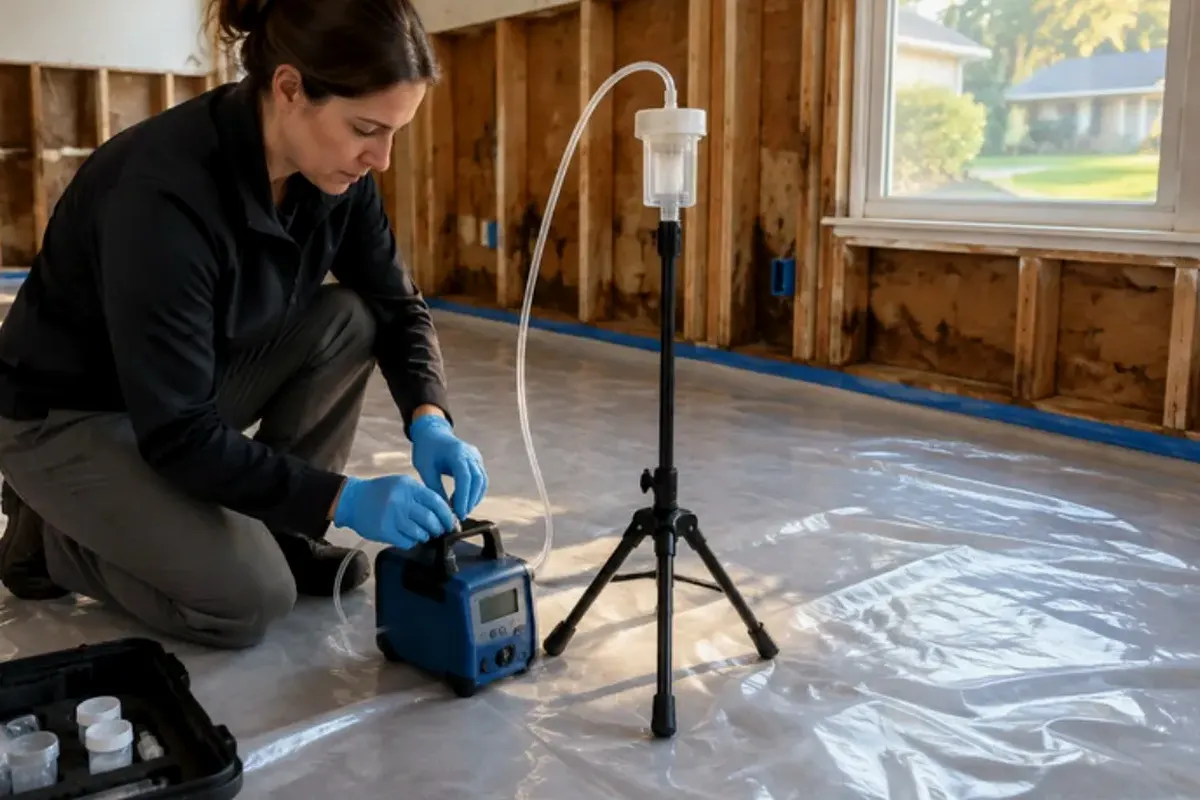
Labs can report in days, with faster options available for added cost. A rebuild schedule that depends on clearance should account for that wait. Ask the company how long samples take and whether a quick visual pass lets work continue in the meantime. Owners near Watkins often compare two or three bids.
Who handles what in Aurora
No Colorado agency licenses mold remediators. What you can confirm is the local contractor license for repair work and a written plan that names the containment, removal and drying steps.
If the job grows into replacing drywall, cabinets or framing, ask whether the rebuild needs a permit from the Aurora Building Division.
For tenants, the Aurora Health and Housing Codes program is the office that handles rental housing complaints here; state law treats mold tied to dampness as a habitability problem once the landlord has written notice.
Calls from Aurora are often matched with companies that also cover Watkins, Commerce City and Dupont.
Rental properties
Colorado's warranty of habitability covers mold associated with dampness, and landlords often want a written record that repairs worked. Tenants can ask for a summary of the check. Keep copies of notices and reports in case questions come up later. Ask for photos with every line, so a reader who was not there can follow.
Keep humidity in range
EPA advises keeping indoor humidity below about 60 percent, ideally between 30 and 50. After remediation, a small hygrometer in the treated room tells you whether conditions stay stable. Furnace humidifiers and swamp coolers are the usual culprits to adjust. Dated notes make later conversations easier.
Around Aurora
Calls come in from across Aurora, including around Interstate 225, E-470, Interstate 70.
Aurora advises homeowners to keep a battery backup for the sump pump and to consider separate flood and sewer backup coverage, since basement seepage and sewer backup are not covered by a standard policy.
Post-Remediation Clearance Testing questions in Aurora
What is post-remediation clearance testing?
What counts as a pass?
Can the company that removed the mold also test?
What paperwork should I keep?
More mold services in Aurora
Post-Remediation Clearance Testing nearby
Helpful guides
Sources
- City of Aurora
- City of Aurora Neighborhood Support Division, Health and Housing Codes: housing complaints
- Colorado Legal Services: Warranty of Habitability
- EPA: A Brief Guide to Mold, Moisture and Your Home
- CDC: About Mold and Your Health
- Denver Community Planning and Development: Contractor Licensing
- Aurora: local background
Last updated: