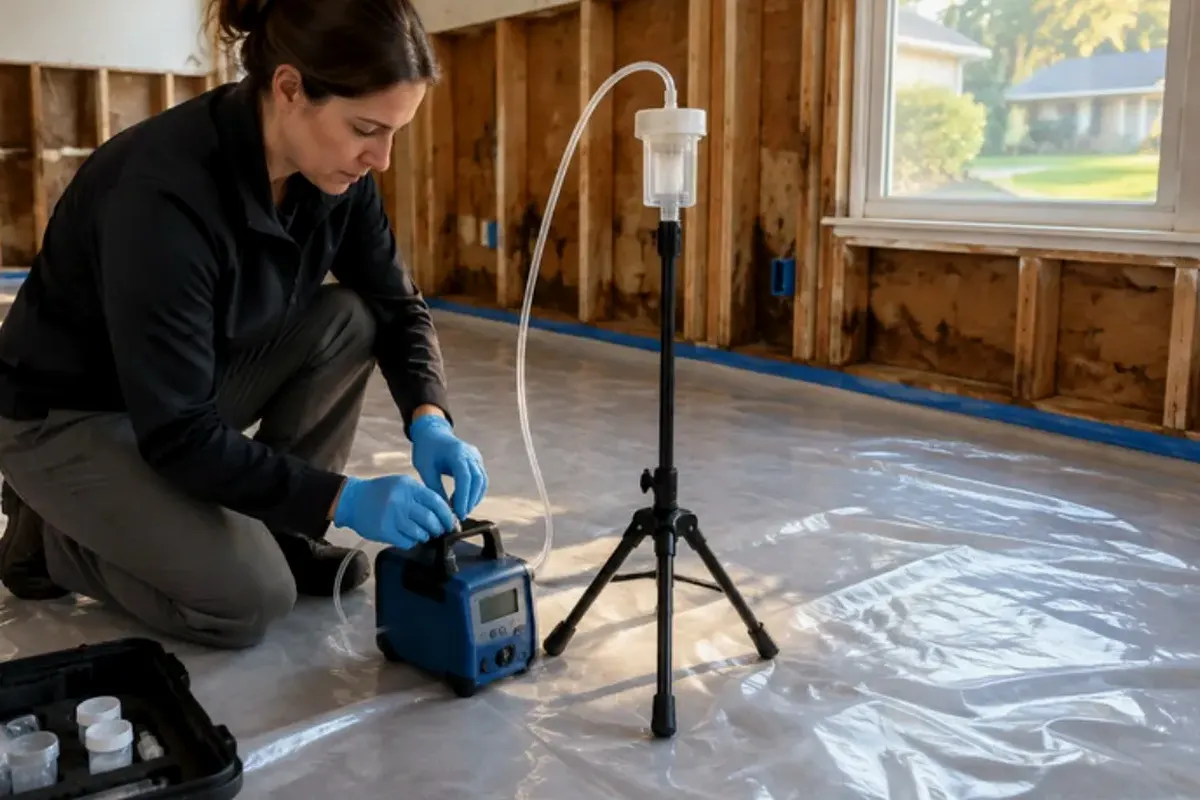
Clearance testing is a check done after remediation to see whether the work area meets the goals set in the plan. It usually starts with a visual inspection and moisture readings, and may include samples. Call the number on this page to be connected with a local mold company in Parker.
Right timing
Clearance typically comes after removal, cleaning and drying but before new drywall, paint and flooring go in. That way, framing, subfloor and cavities can still be seen. Checking after the rebuild leaves only sampling, which is a narrower tool. Most owners in Parker find the order of steps is the part worth settling early.
Dust and debris
Remaining construction dust can hold spores, so a clean work area matters as much as removal. HEPA vacuuming and damp wiping are common steps. An assessor may check ledges, framing, sills and the floor edges where dust settles. Dust from demolition is part of what gets reviewed.
Houses built around 2004 are well sealed, which helps with air movement control during work but also means leftover dampness can linger without obvious signs.
What shapes the price
Clearance cost follows the size of the area, the number of samples, lab fees and how many rooms need checking. A single closet is different from a whole basement. Ask what the quote includes before agreeing to a number. Ask each company to itemize this.
Who handles what in Parker
There is no Colorado mold license to look up. Cities run their own contractor licensing (Denver, for example, issues its own and doesn't accept other jurisdictions' licenses), so ask which one applies to your address.
If the job grows into replacing drywall, cabinets or framing, ask whether the rebuild needs a permit from the Town of Parker Building Division.
If you rent, give the landlord written notice of the leak or mold. Colorado's habitability law covers mold tied to dampness, and Colorado Legal Services explains the response times.
Calls from Parker are often matched with companies that also cover Lone Tree, Franktown and Castle Rock.
During the visit
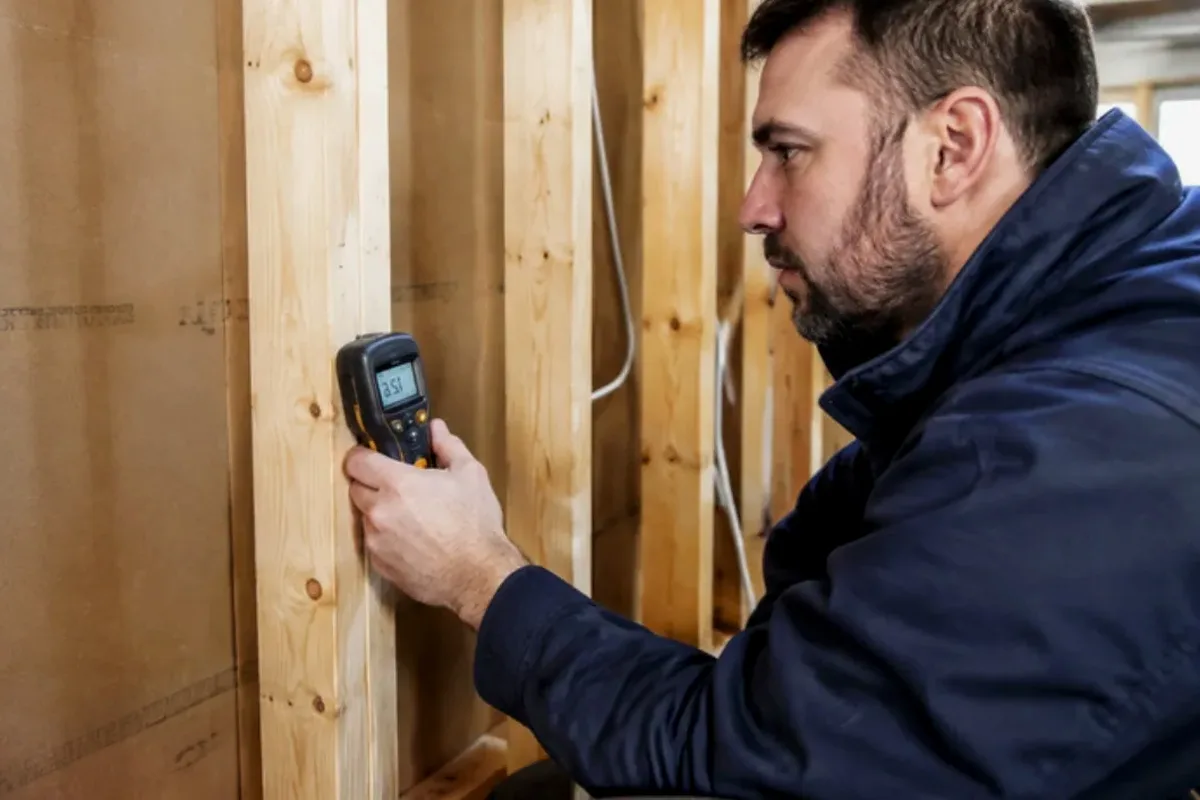
Expect the assessor to walk the work area and nearby rooms, read moisture meters, take photos and possibly collect samples. They may ask about repairs, ventilation and when drying equipment was removed. The visit is usually shorter than the remediation itself. Ask how the check stays objective when the same firm both cleans and verifies.
Re-check after the first season
After a freeze, snowmelt or a wet spring, look at the treated area for dampness, staining or odor. Early spotting keeps a second look small. Keep a few dated photos so changes are easy to compare. A quick look every month is enough, and a flashlight helps in dark corners.
More about Parker
Calls come in from across Parker, including around Parker Road (Colorado State Highway 83), Mainstreet, Cherry Creek.
Expansive clay soils are common along the Front Range, and cracked basement floor slabs are one of the usual signs of swelling ground.
Post-Remediation Clearance Testing questions in Parker
Do I need air samples to clear a job?
How long do lab results take?
Does a pass mean mold cannot come back?
Can I do the visual check myself?
More mold services in Parker
Post-Remediation Clearance Testing nearby
Helpful guides
Sources
Last updated: