Inspection finds the problem and the cause, while cleanup is a separate job, so ask the company to keep the two roles apart. Call the number on this page to be connected with a local mold company in Aurora.
Smell without a source
Sometimes the nose finds a problem the eyes cannot. A stale, earthy odor in a closet or behind a finished wall suggests damp materials somewhere close. An inspector follows that odor with instruments and a flashlight, checking the usual hiding places and the unusual ones too.
Older brick and frame construction
Denver squares, bungalows and early ranches mix old plumbing with additions made over the decades. An inspector traces where those pieces join, since flashing, tie-ins and patched walls are where leaks tend to hide. Original window frames and sills are checked for rot and staining too.
Verifying who shows up
Colorado has no state mold license, and contractor licensing is handled by each city or county. Ask about the inspector's training, whether they carry the local contractor license where one applies, and whether they will give you the report as a document instead of a phone call.
Local details for Aurora
Colorado leaves contractor licensing to cities and counties and has no mold-specific license. Ask the company up front which local license covers any drywall or framing it replaces.
Rebuild work after the mold comes out, such as new drywall or framing, may need a permit; the Aurora Building Division is the office for Aurora addresses.
Renting? Colorado's warranty of habitability lists mold associated with dampness among conditions that can make a home uninhabitable, and the Aurora Health and Housing Codes program takes rental housing complaints for Aurora addresses.
Calls from Aurora are often matched with companies that also cover Watkins, Commerce City and Dupont.
Tools of the trade
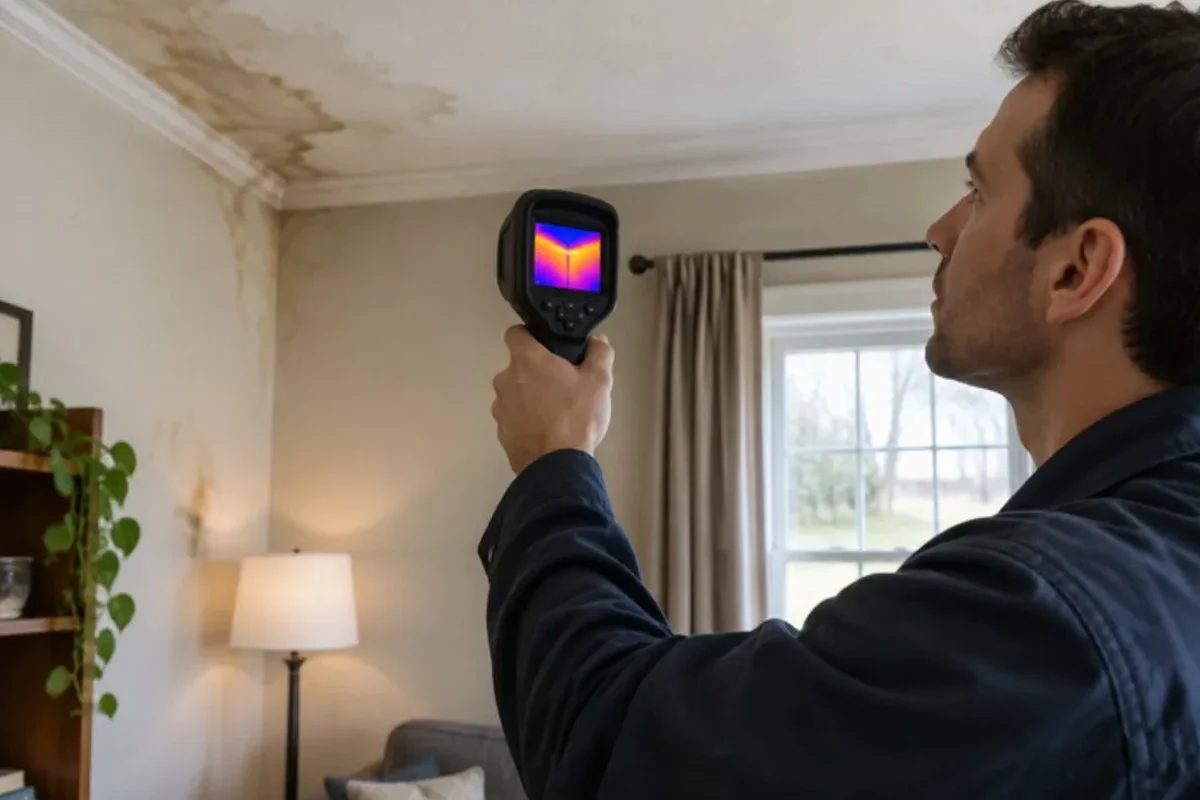
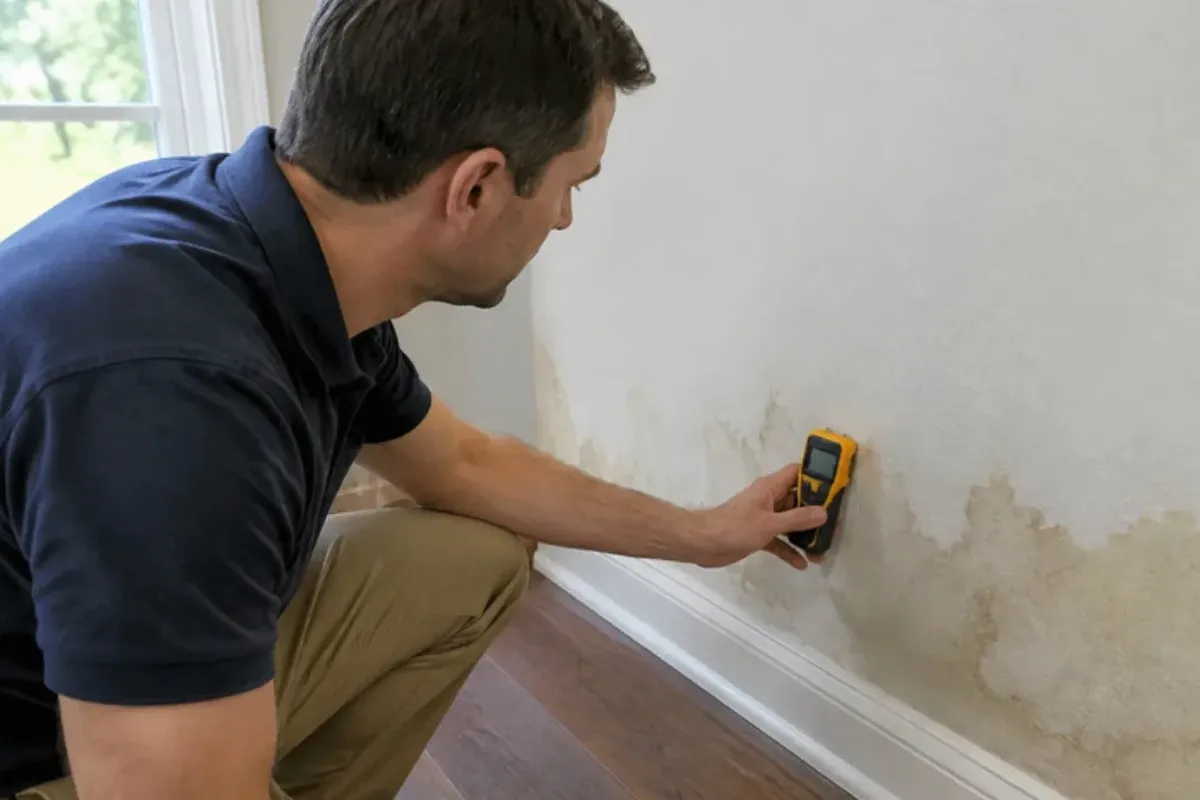
Expect a pin or pinless moisture meter, a thermal camera that shows cool wet spots behind finishes, a flashlight and sometimes a borescope that slides through a small hole. None of these identifies mold by itself. Together they map where moisture is and where growth is probable.
Humidity you can check yourself
EPA recommends keeping indoor humidity below about 60 percent, and ideally between 30 and 50. A small hygrometer from a hardware store gives a reading in a minute. Place it in the basement and a bedroom, then compare the two over a week or so.
Aurora at a glance
Calls come in from across Aurora, including around Interstate 225, E-470, Interstate 70.
Aurora advises homeowners to keep a battery backup for the sump pump and to consider separate flood and sewer backup coverage, since basement seepage and sewer backup are not covered by a standard policy.
Mold Inspection questions in Aurora
How long does an inspection take?
Should I get one before buying a house?
Who handles mold complaints for a rental in Aurora?
What if the inspector finds nothing?
More mold services in Aurora
Mold Inspection nearby
Helpful guides
Sources
- City of Aurora
- City of Aurora Neighborhood Support Division, Health and Housing Codes: housing complaints
- Colorado Legal Services: Warranty of Habitability
- EPA: A Brief Guide to Mold, Moisture and Your Home
- CDC: About Mold and Your Health
- Denver Community Planning and Development: Contractor Licensing
- Aurora: local background
Last updated: