Porous materials that stay moldy, like drywall and insulation, usually come out, while framing can often be cleaned and dried in place. Call the number on this page to be connected with a local mold company in Indian Hills.
Why waiting enlarges the job
Mold needs moisture and something organic to eat, and a house supplies both. Paper-faced drywall, wood framing and cardboard boxes all qualify. Each week a leak goes unaddressed, the wet footprint can widen, and the list of materials that have to come out grows with it.
Older brick and wood-frame homes
Early bungalows and Denver squares combine old plumbing, thin wall cavities and original window openings. Slow drips go unnoticed for months around Indian Hills. In post-war ranches and split-levels, a bath fan that vents into the attic quietly feeds moisture into the roof structure above.
Mountain houses on slopes take on water through lower walls and crawl spaces, and a company working here usually checks grading, wells and roof edges along with the visible damage.
Why two bids can look far apart
One company may price only the tear-out while another bundles drying, a clearance step and reconstruction. Compare scopes line by line in Indian Hills or anywhere else. A low number that skips drying or disposal tends to cost more later, so ask each company what happens if the work uncovers extra damage.
Who handles what in Indian Hills
There is no Colorado mold license to look up. Cities run their own contractor licensing (Denver, for example, issues its own and doesn't accept other jurisdictions' licenses), so ask which one applies to your address.
If the job grows into replacing drywall, cabinets or framing, ask whether the rebuild needs a permit from the Jefferson County Building Safety.
If you rent, give the landlord written notice of the leak or mold. Colorado's habitability law covers mold tied to dampness, and Colorado Legal Services explains the response times.
Calls from Indian Hills are often matched with companies that also cover Golden, Morrison and Idledale.
How a removal job runs
- Walk-through and moisture readings
- Repair of the water source
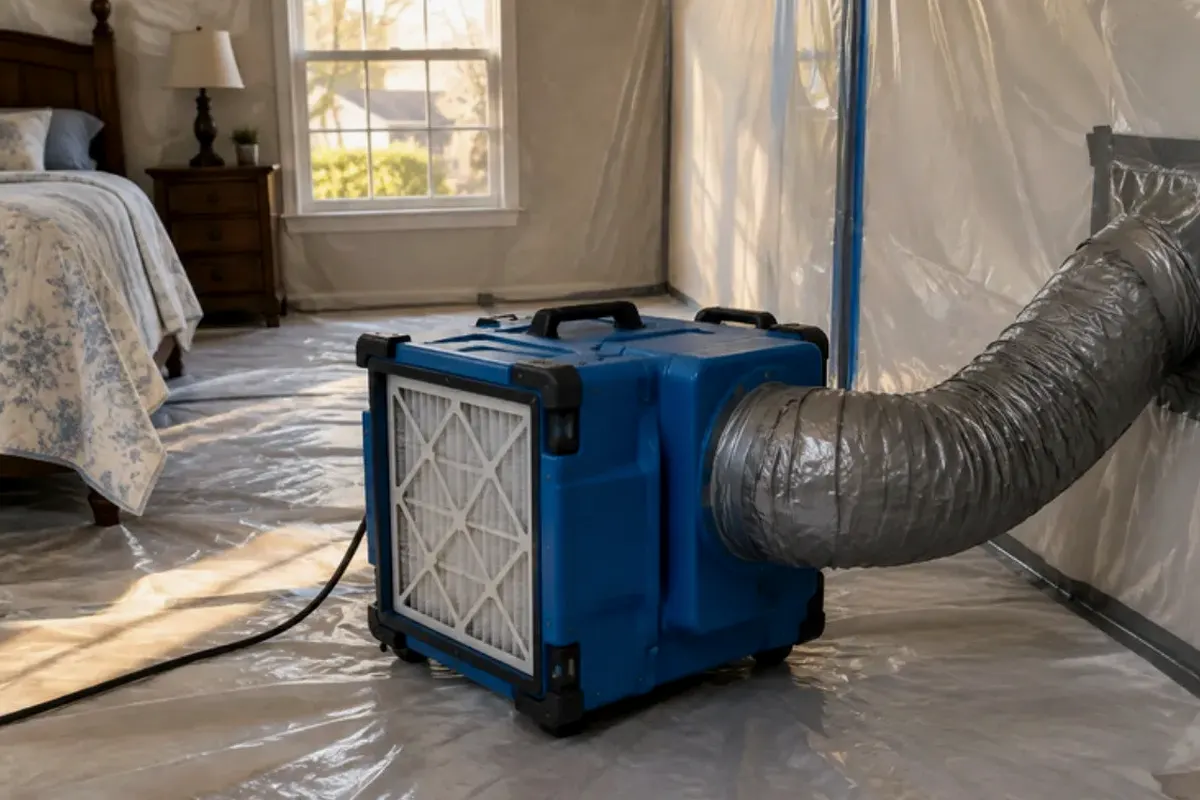
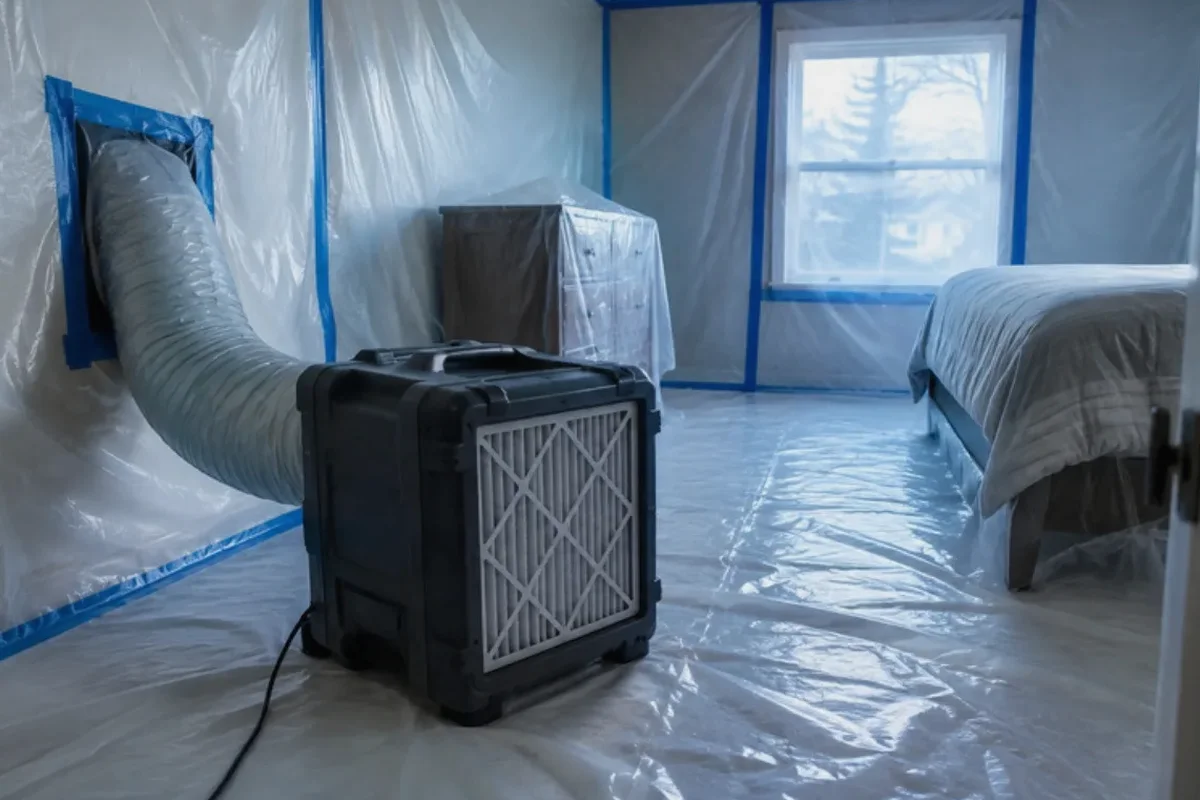
- Plastic sheeting and negative air
- Removal of damaged material, cleaning of the rest
- Drying and a final check
Each stage is documented, with photos and readings, so the plumber or drywall installer can pick up afterward.
Seasonal habits that pay off
Before winter, disconnect hoses, insulate exposed pipes and clear gutters. In summer, service the swamp cooler and check that the furnace humidifier drains. A twice-yearly walk-through of the basement, attic and under-sink areas catches small leaks before they become removal jobs.
Mold Removal & Remediation questions in Indian Hills
What does remediation involve?
Is removal different from inspection?
Why did mold come back after cleaning?
Can mold be removed from inside walls?
More mold services in Indian Hills
Mold Removal & Remediation nearby
Helpful guides
Sources
Last updated: