Walls hide mold because drywall paper, insulation and the backs of cabinets stay damp long after a leak stops. Independent local companies map the wet area first, so only that section comes out. Call the number on this page to be connected with a local mold company in Bennett.
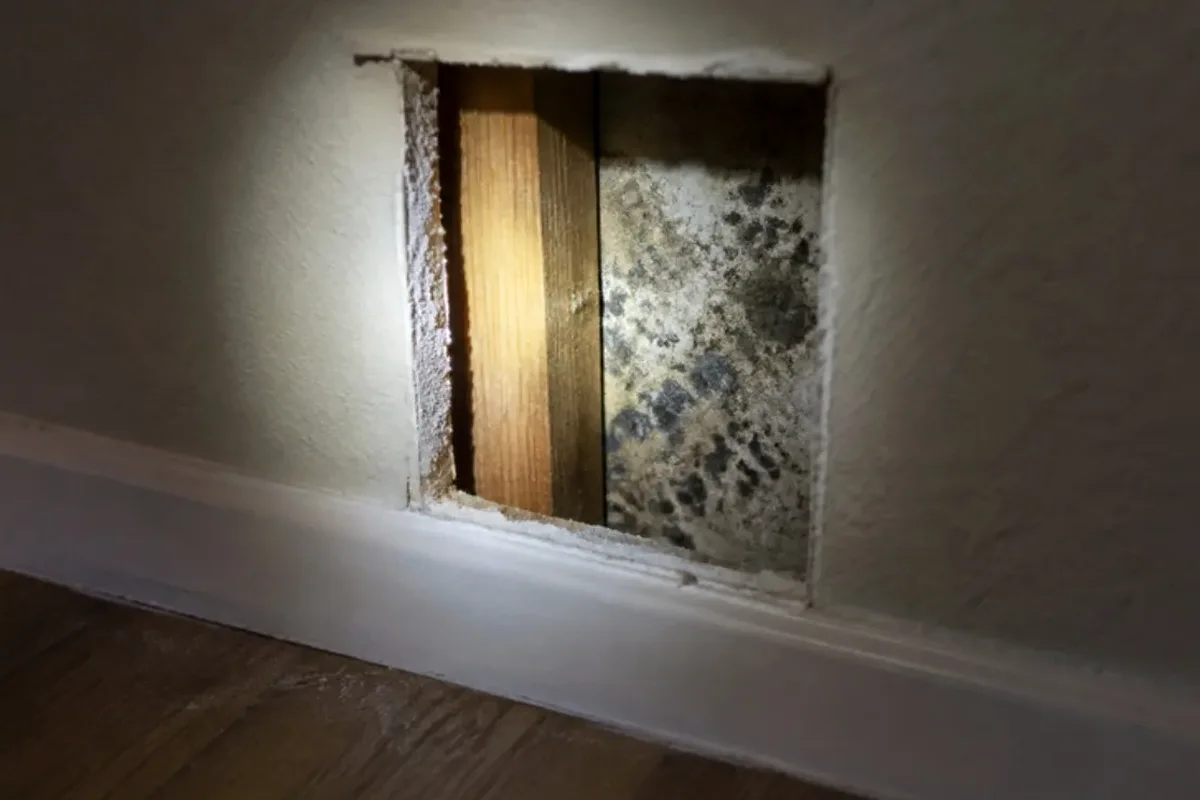
After the snow melts
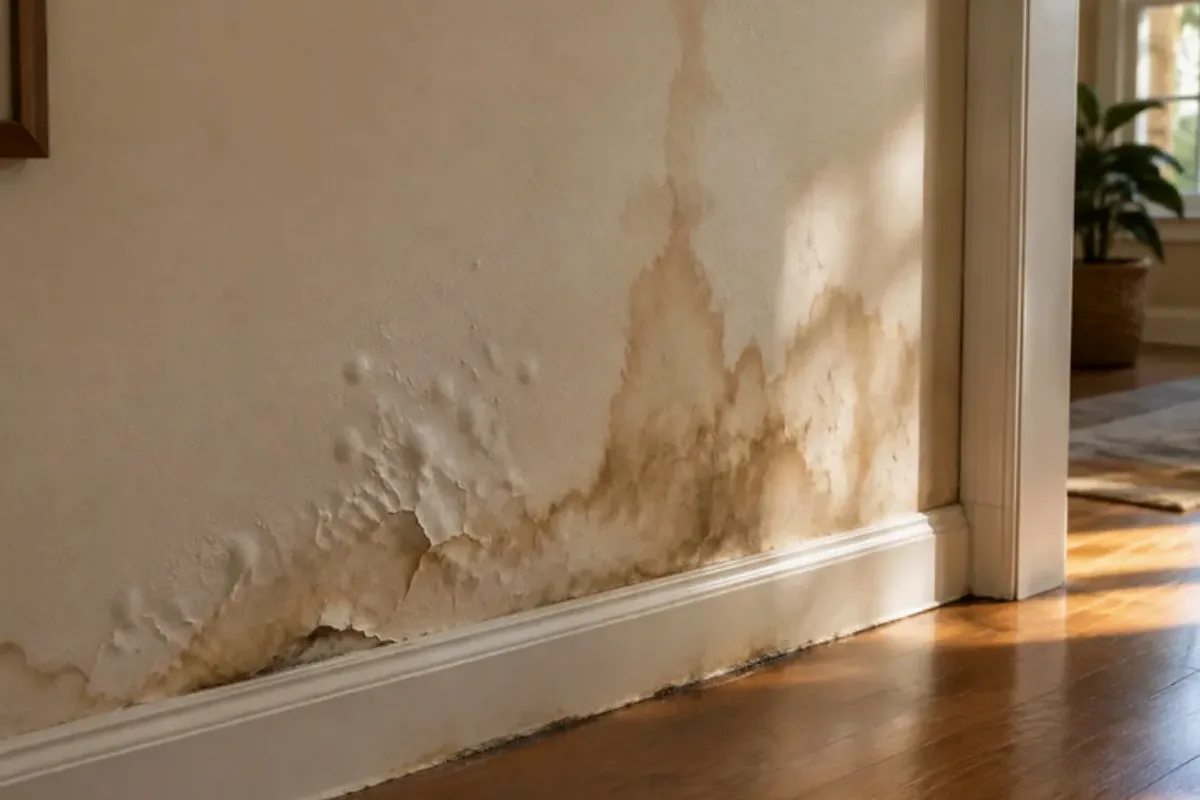
Spring brings a wave of calls about stains that were not there in autumn. Ice dams push meltwater behind siding and into the top of walls, and foundation seepage soaks bottom plates. A stain that darkens after a wet storm points to water coming from outside.
Showers, tubs and kitchens
Failed caulk, cracked tile, a loose faucet escutcheon or a leaking trap lets water into the cavity. The bathroom side may look fine for a long time. A fan that does not exhaust properly also leaves the walls steamy after every shower. The bathroom side hides it.
The median home in Bennett was built in 2000, and tight modern construction can trap moisture in wall cavities when a window flashing or a supply line fails.
Eastern plains and farm-edge homes see wind-driven snow and rain that can force water behind siding, and irrigation spray or sprinklers near the foundation can keep exterior walls damp.
Testing and confirmation
Some jobs include a final moisture reading or clearance test to confirm the cavity is dry and clean. That is an added line, not an automatic one. EPA notes sampling is usually unnecessary when mold is visible, so ask what a test would add. Ask for it up front.
Drying comes first
Mold returns to damp framing, so drying equipment often runs for days after the cut. Meters confirm the lumber is dry before new drywall goes up. Ask how readings will be shared, since numbers beat guesses on whether the wall is truly ready to close. Ask before you commit.
Winter checks
Before the first hard freeze, insulate pipes in exterior walls and unheated spaces, and know where the water shutoff is. After a deep cold snap, look at walls and ceilings below any pipe that may have frozen. A quick scan can spare you a large repair. Do it each fall.
Useful local contacts for Bennett
No Colorado agency licenses mold remediators. What you can confirm is the local contractor license for repair work and a written plan that names the containment, removal and drying steps.
If the job grows into replacing drywall, cabinets or framing, ask whether the rebuild needs a permit from the local building department.
Tenants should report mold to the landlord in writing first; Colorado law treats mold associated with dampness as a habitability issue, with set response times after notice.
Calls from Bennett are often matched with companies that also cover Aurora, Watkins and Commerce City.
Mold in Walls questions in Bennett
How much drywall has to come out?
Is testing needed for a moldy wall?
Who fixes the leak, the mold company or a plumber?
Can mold in a wall spread to other rooms?
More mold services in Bennett
Mold in Walls nearby
Helpful guides
Sources
Last updated: