A mold inspection is a visual and moisture-focused survey of a property to find where water entered, which materials are affected and how far growth extends. Call the number on this page to be connected with a local mold company in Franktown.
After a leak or a cold snap
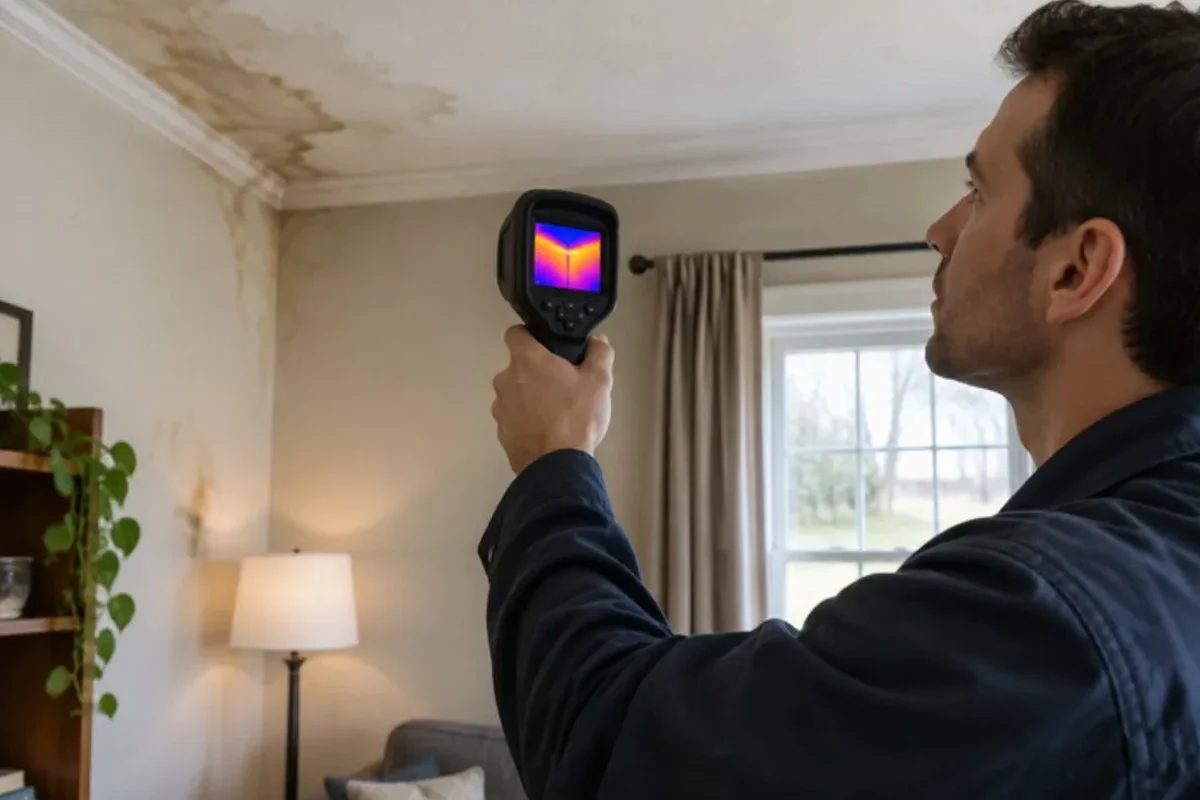
A burst pipe, an overflowing washer or an ice dam that sent water into a ceiling all leave moisture behind. Even after the surface dries, framing and insulation can stay wet. An inspection a few days later shows whether drying worked or whether growth has begun.
Mechanical rooms and utility closets
Water heaters, laundry hookups, furnaces and sump pits all sit near moisture. Inspectors check hoses, drain pans and the floor beneath each one. A slow drip behind a washing machine can soak the wall for a long time before the stain finally reaches the living space.
Farm-edge homes often have outbuildings, older additions and long runs of buried pipe, so an inspection there can cover more ground than a typical suburban lot.
Value of timing
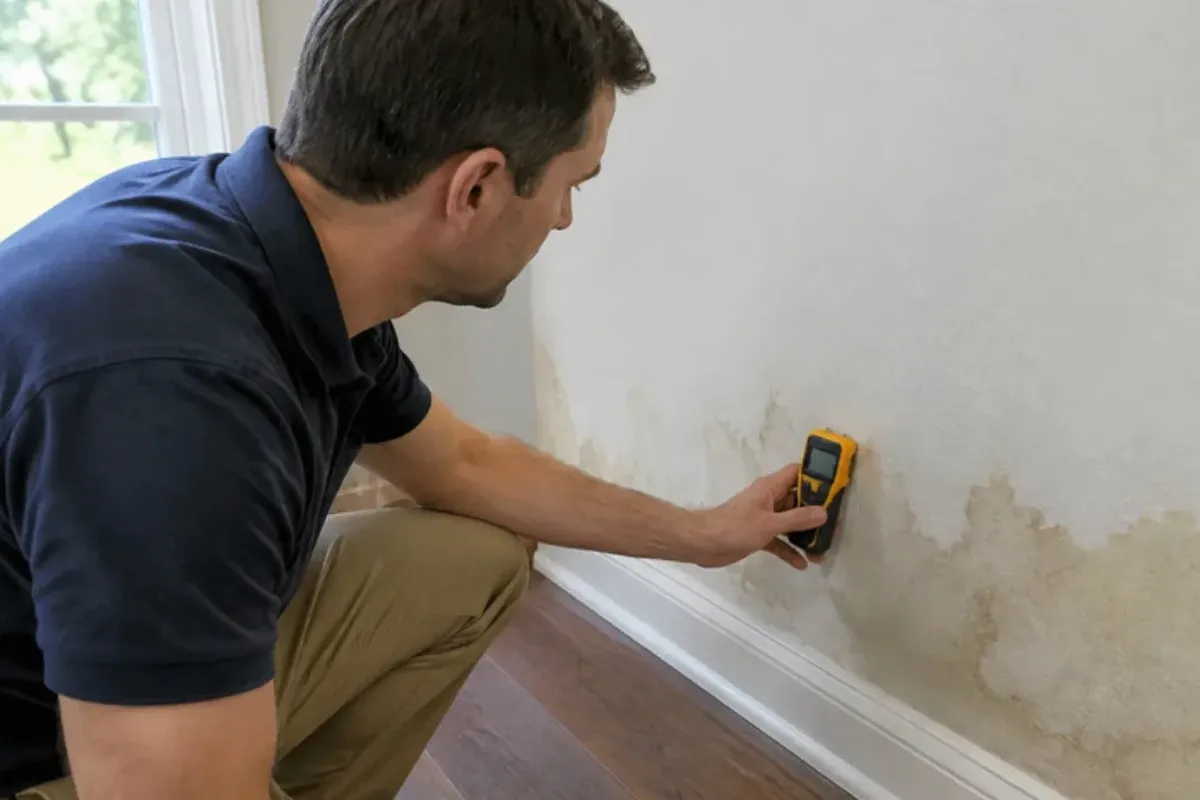
Booking before drywall is replaced, before a contract deadline or before a tenant moves out can prevent paying twice. Once finishes are closed up, an inspector may need to cut small access holes. Early scheduling keeps the process simple, the findings clearer and the repair plan in the right order.
Local details for Franktown
Colorado does not issue a state license for mold assessors or mold remediators. Contractor licensing here is handled city by city, so ask the company which local contractor license it holds for the rebuild part of the job.
Rebuild work after the mold comes out, such as new drywall or framing, may need a permit; the Douglas County Building Division is the office for Franktown addresses.
Tenants should report mold to the landlord in writing first; Colorado law treats mold associated with dampness as a habitability issue, with set response times after notice.
Companies that take calls here usually also work in Castle Rock, Parker and Sedalia.
Tools of the trade
Expect a pin or pinless moisture meter, a thermal camera that shows cool wet spots behind finishes, a flashlight and sometimes a borescope that slides through a small hole. None of these identifies mold by itself. Together they map where moisture is and where growth is probable.
Humidity you can check yourself
EPA recommends keeping indoor humidity below about 60 percent, and ideally between 30 and 50. A small hygrometer from a hardware store gives a reading in a minute. Place it in the basement and a bedroom, then compare the two over a week or so.
Mold Inspection questions in Franktown
Is an inspection the same as mold testing?
Should I get one before buying a house?
What if the inspector finds nothing?
Can an inspection tell if mold affects my health?
More mold services in Franktown
Mold Inspection nearby
Helpful guides
Sources
Last updated: